

LIVING SCHOOLS
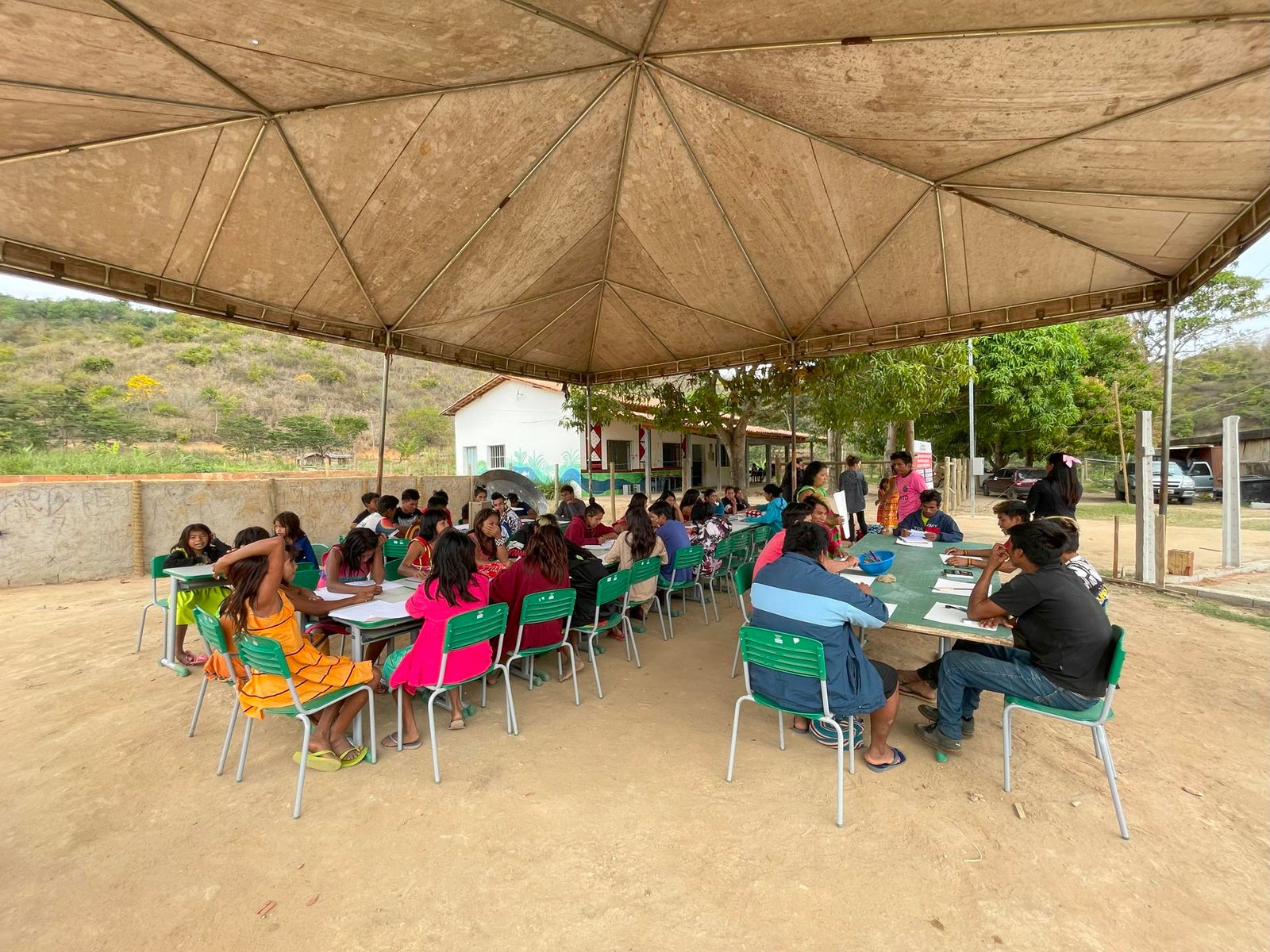
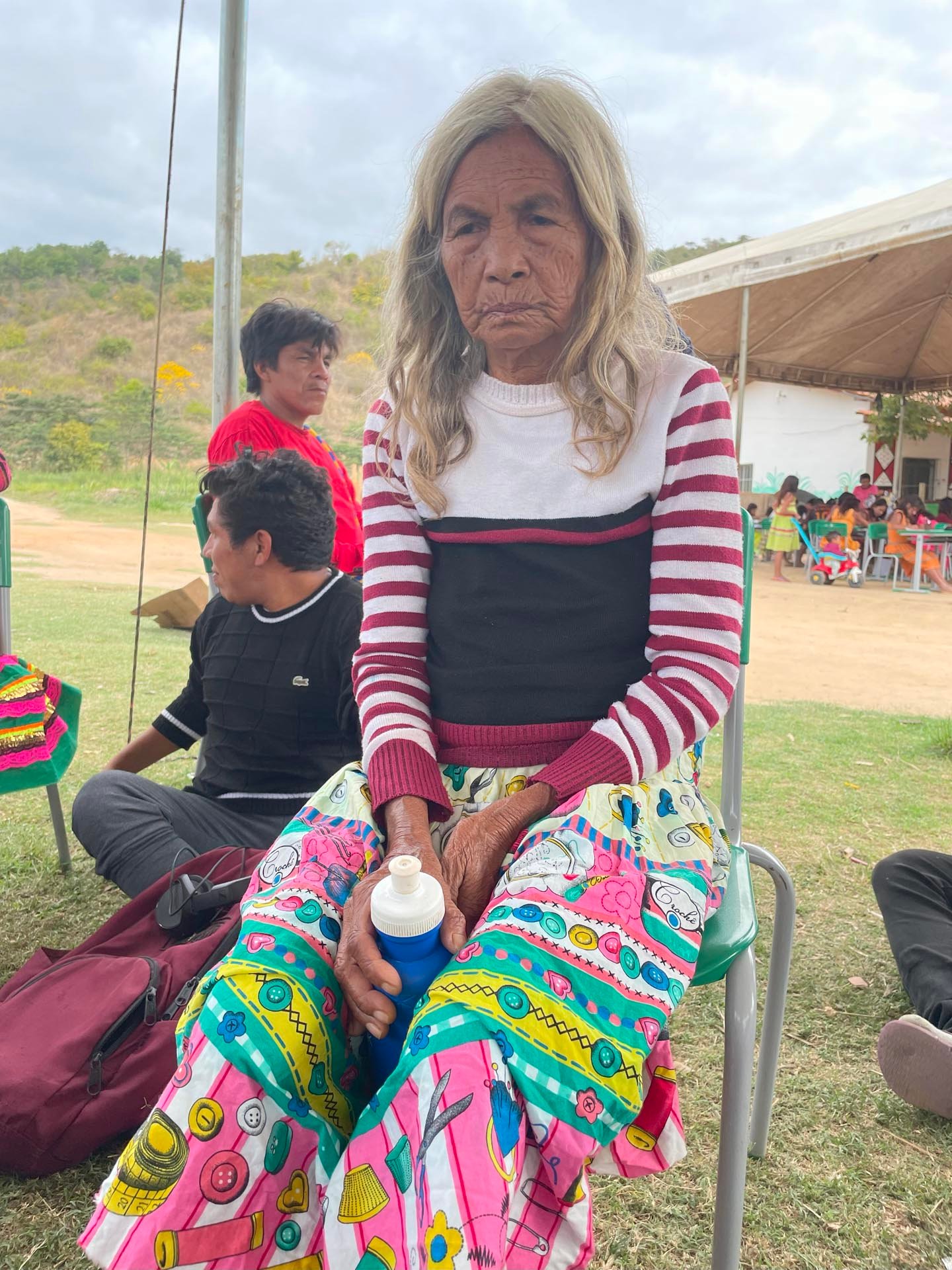
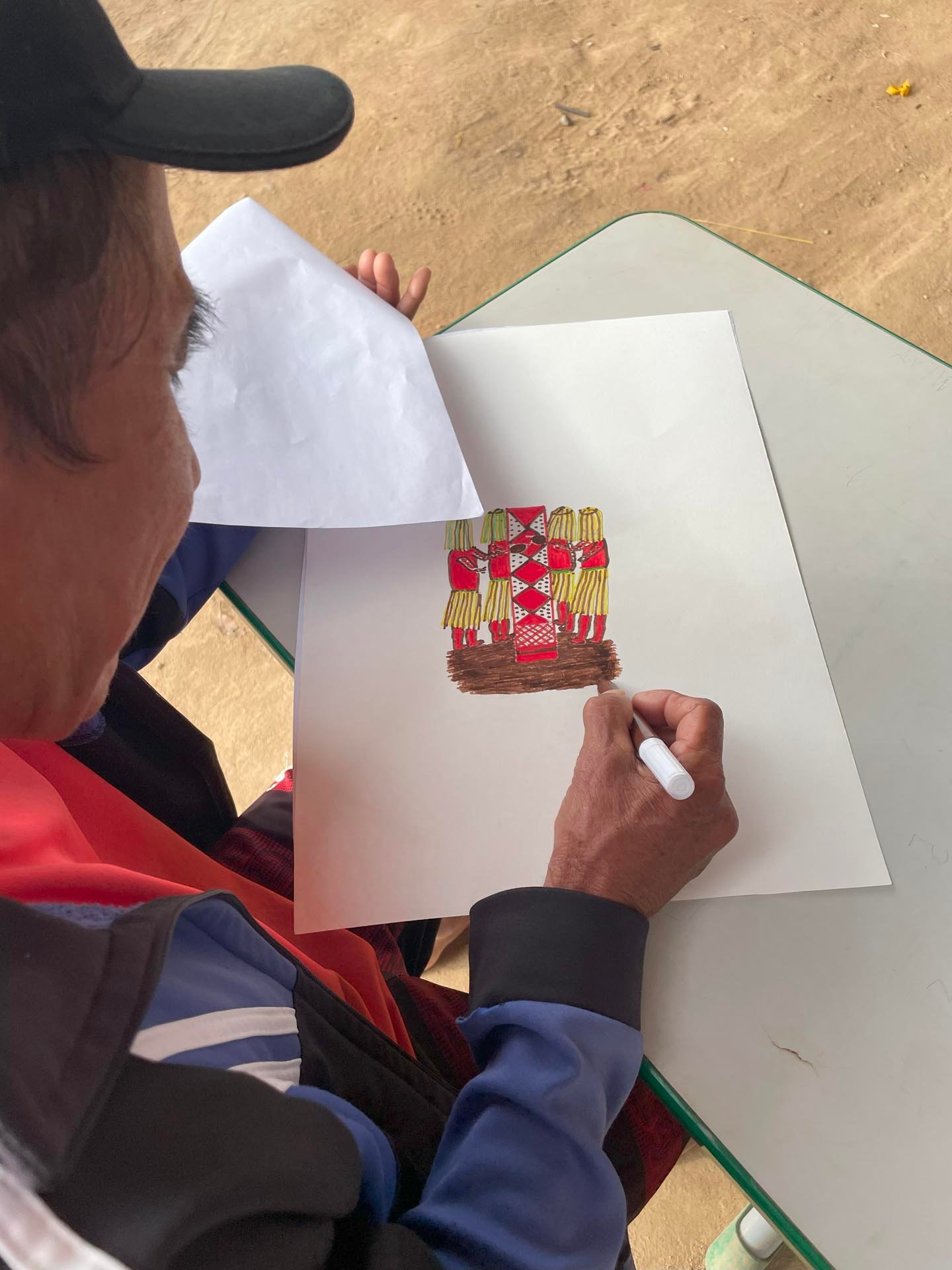
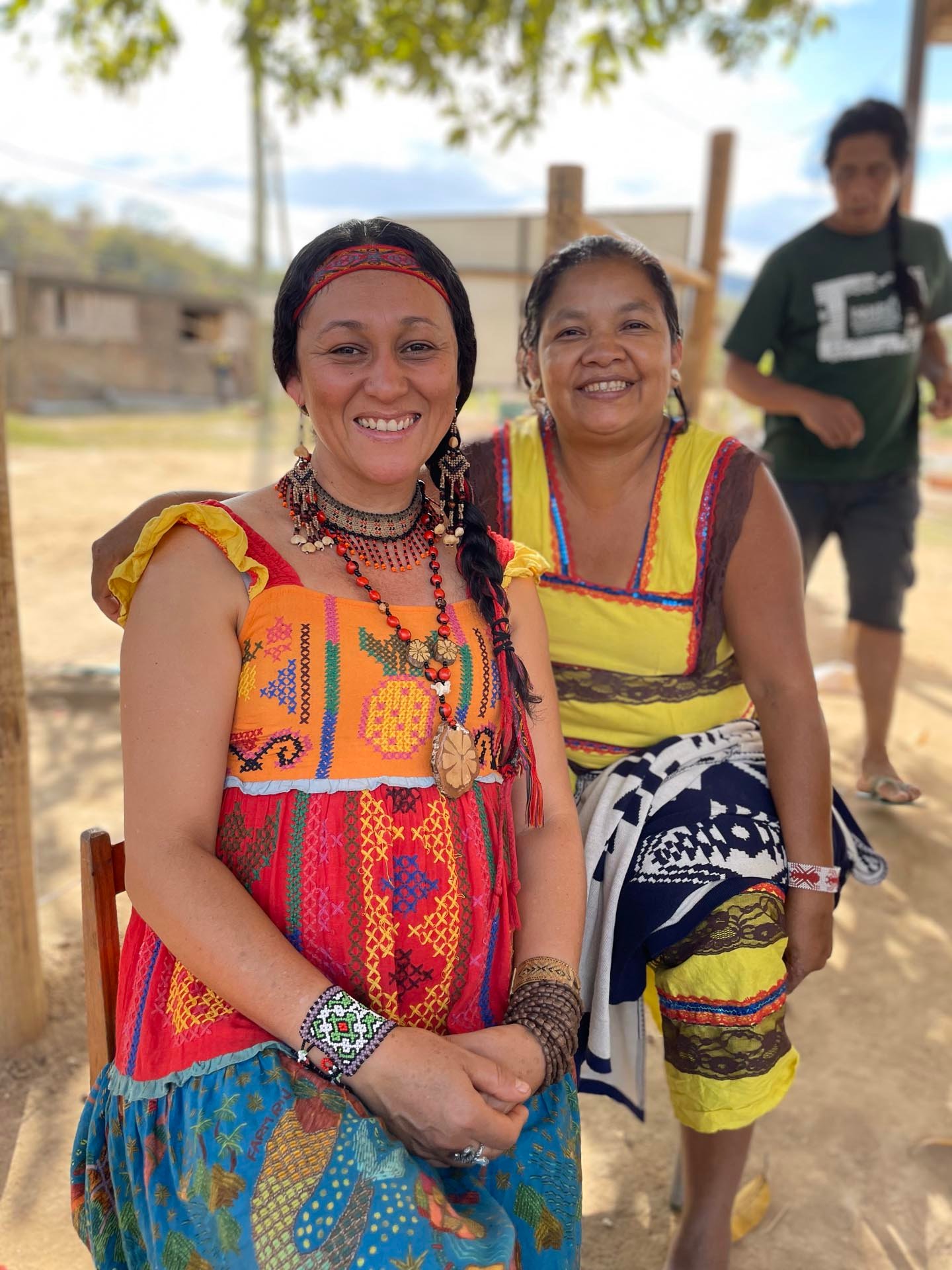
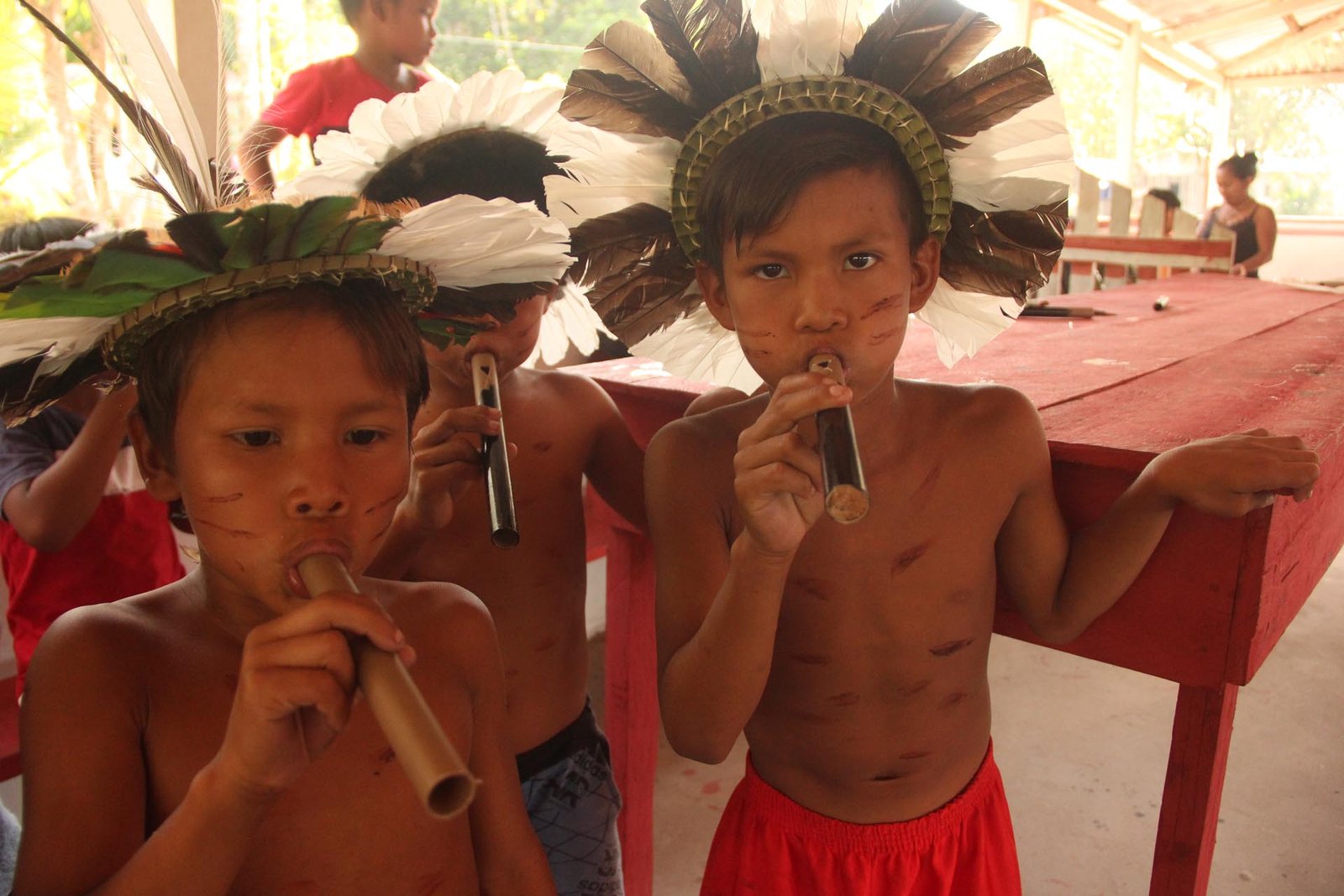
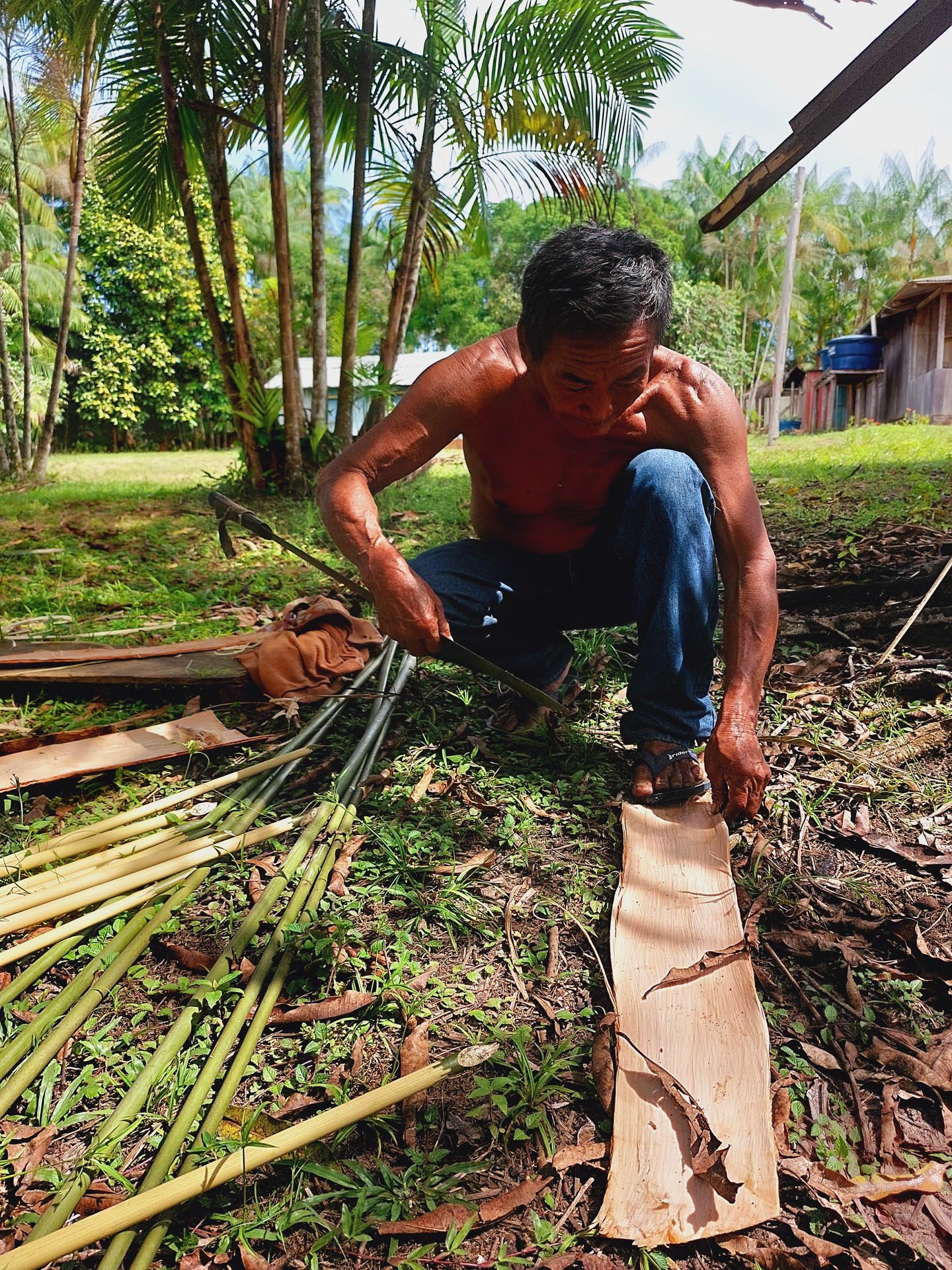
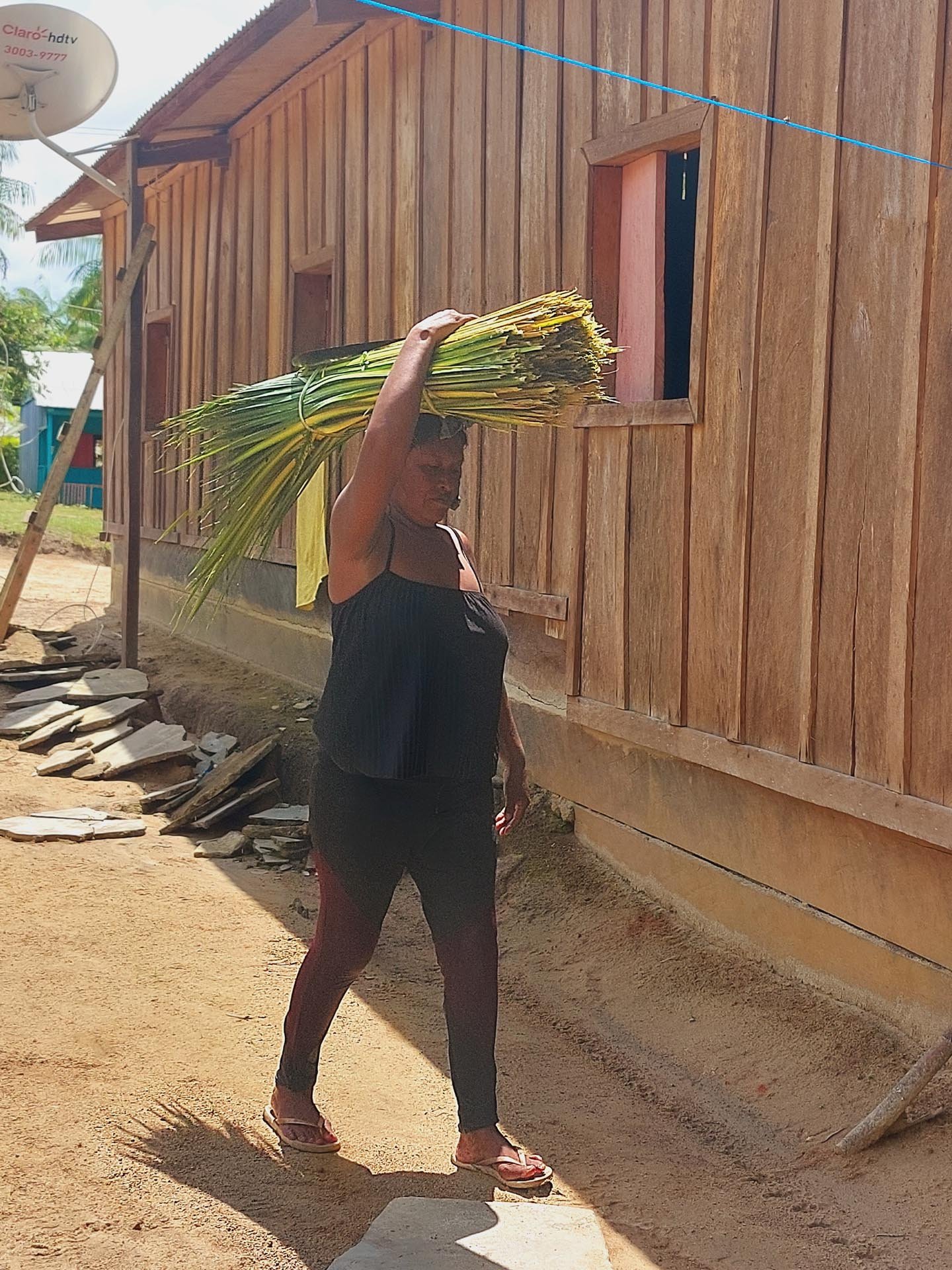
A movement that supports Indigenous projects to strengthen and pass on their traditional knowledge.
We support five projects every month:
Guarani, Maxakali, Huni Kuin, Baniwa and Tukano-Dessano-Tuyuka.


CRISTINE TAKUÁ
Living Schools Coordinator
Cristine Takuá, from the Maxakali Indigenous people, is a thinker, apprentice midwife, and educator. She holds a degree in Philosophy from São Paulo State University (UNESP) and taught for twelve years at the Txeru Ba’e Kuai’ Indigenous State School.
She is currently the coordinator of the Living Schools movement and a board member of the Selvagem Association.
Cristine represents the NEI (Indigenous Education Center) within the São Paulo State Department of Education and is a founding member of FAPISP (Forum for the Coordination of Indigenous Teachers of São Paulo State). She is also part of Instituto Maracá, which is involved in the shared management of the Museu das Culturas Indígenas in São Paulo.
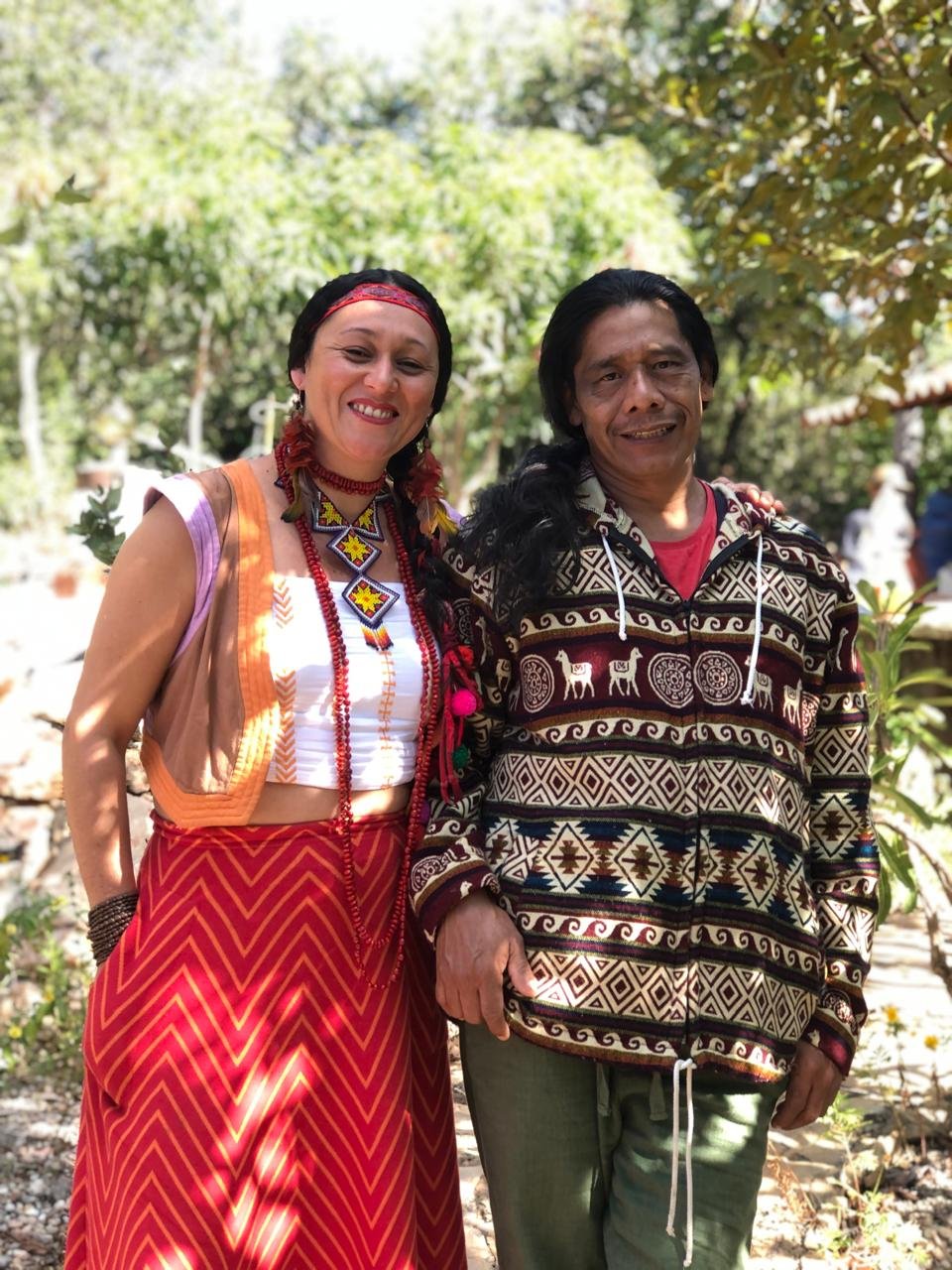
She lives in the Ribeirão Silveira Indigenous Land, located on the border between the municipalities of Bertioga and São Sebastião, in the state of São Paulo, with her partner Carlos Papá and their sons Djeguaká and Kauê.
Along with Veronica Pinheiro, Cristine writes the Ways of Knowing Diary, published on the Selvagem website. In her texts, she reports on her journey with the Living Schools and reflects on education, memory and Bem Viver [Good Living].

FOREST SCHOOL VILLAGE
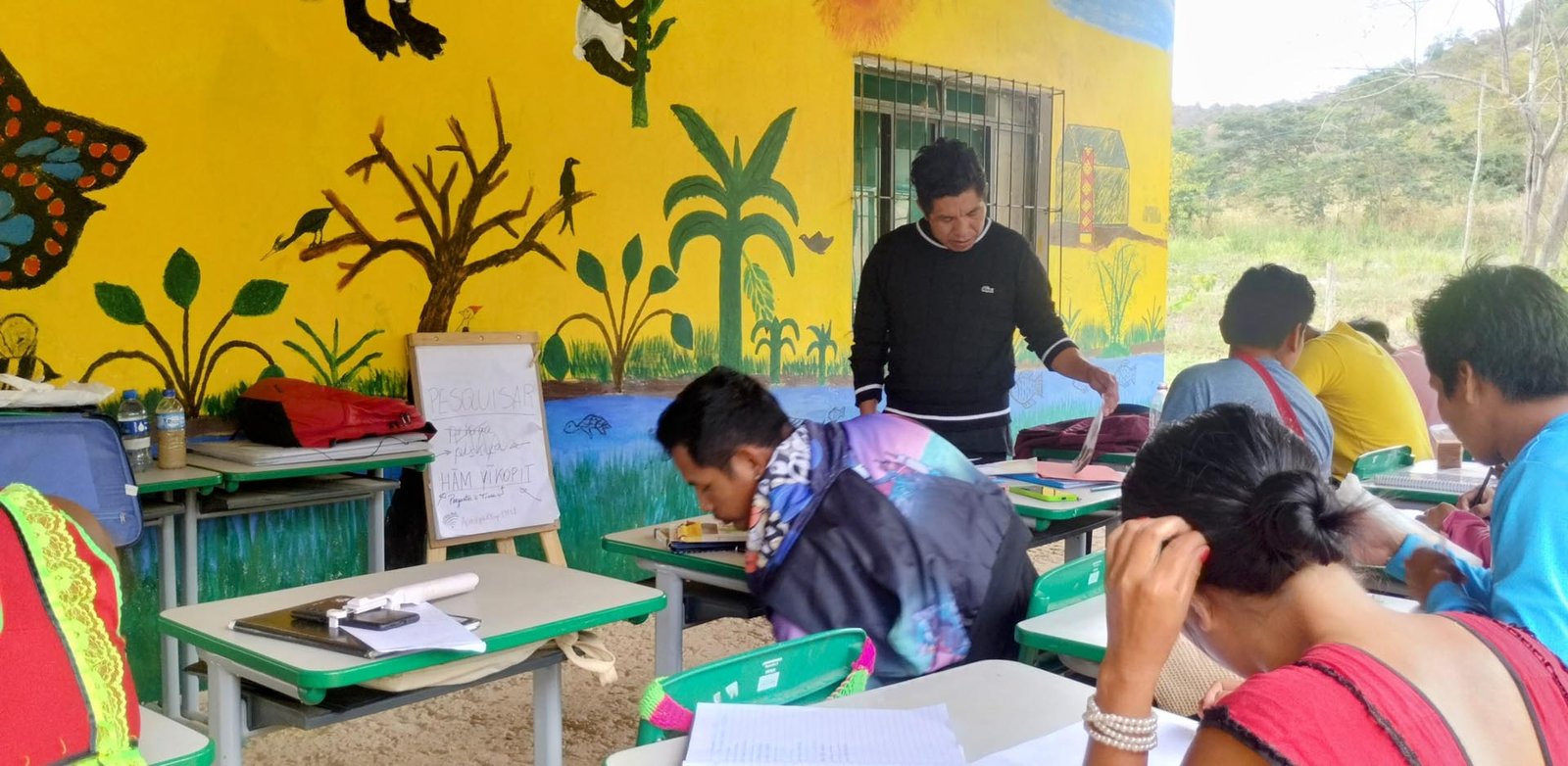
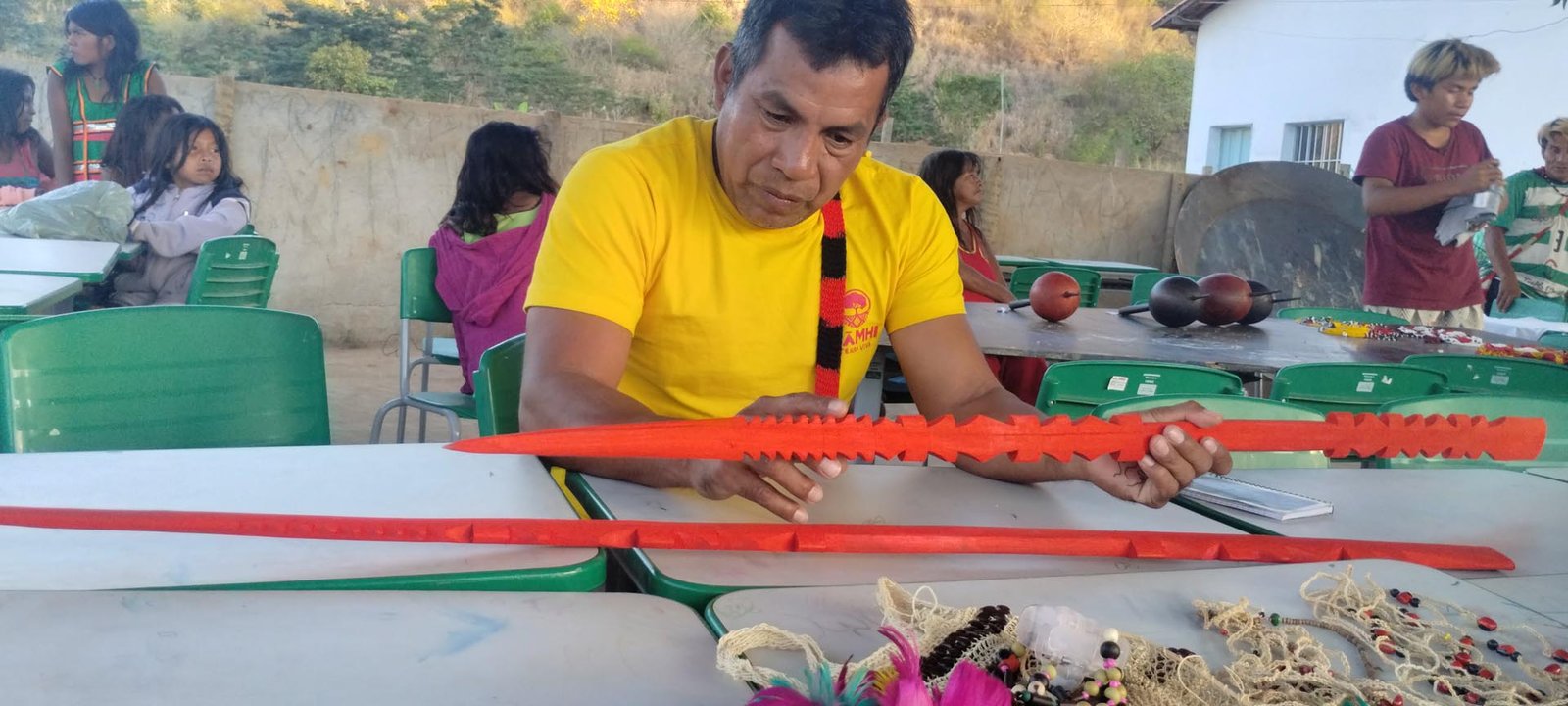
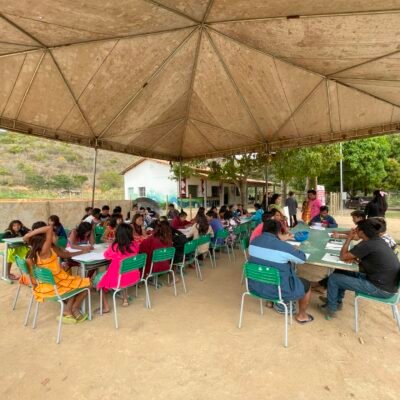
MAXAKALI LIVING SCHOOL
Territory: Forest School Village - 122 hectares
Population benefited: 327 Maxakali people
Coordinators: Sueli and Isael Maxakali
The Maxakali are ancestral inhabitants of the forests that used to cover the whole of the Pardo, Jequitinhonha and Mucuri rivers, in the region that today comprises the north-east of Minas Gerais and the extreme south of Bahia.
They are a people of approximately 3,000 who speak the Maxakali language, one of the last native languages of the region. The invasion of their original lands by agricultural companies during the 19th and 20th centuries resulted in them being confined to five small territories, surrounded on all sides by farms and devastated by the felling of the forest and the planting of colonião grass, a pasture plant.
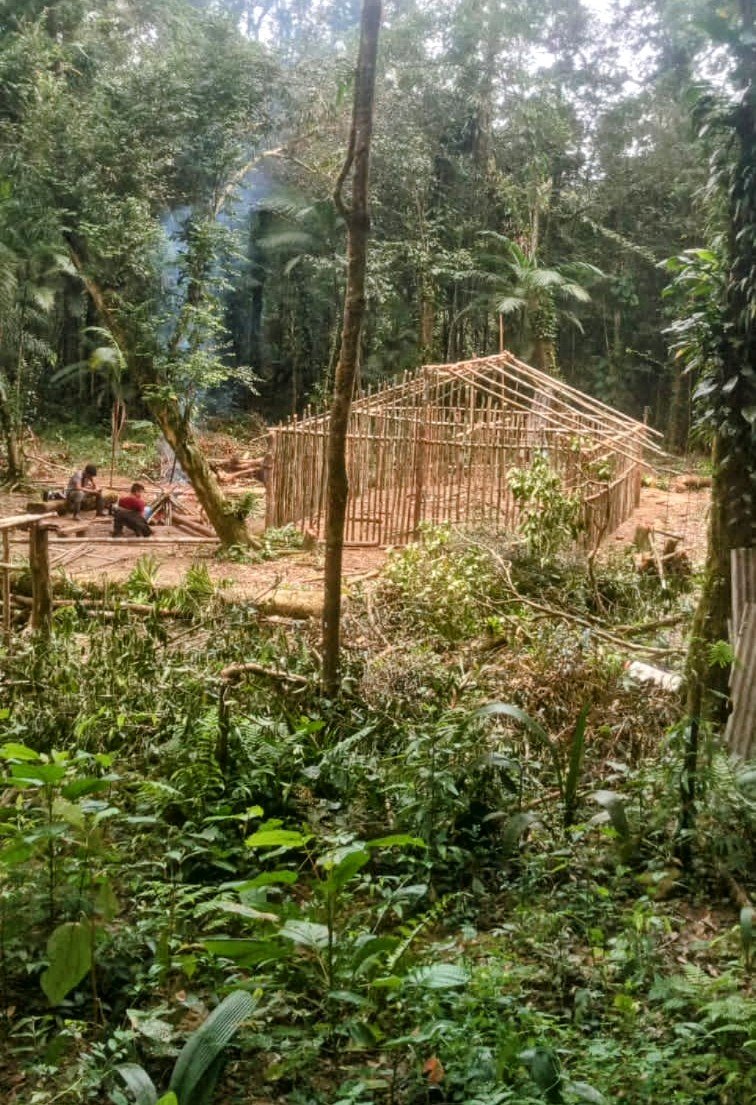
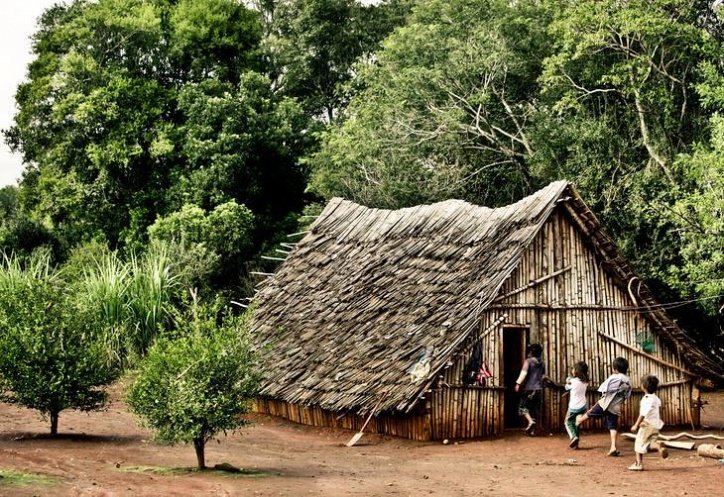
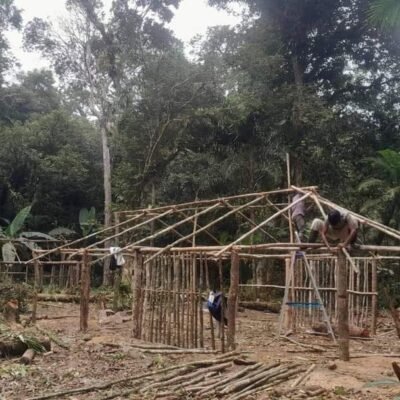
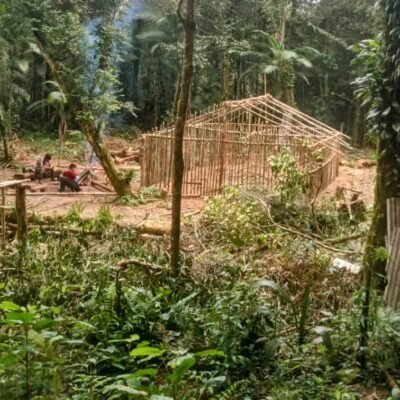
The Forest School Village is the most recent territory of this people and was created from the retaking of a federal property, located in the rural area of Teófilo Otoni (MG), where an old dream began to take shape, driven by the Maxakali's demand for their original territories and the longing they feel for the rivers, the hunting and the great forest.
The Forest School Village is a community project, now recognised as Indigenous Land. Sueli Maxakali says that there is no action that is not collective.
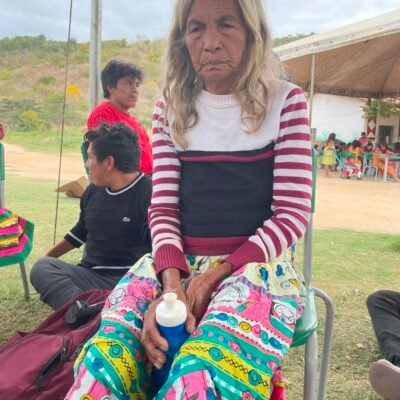
Isael Maxakali often says that the true home of the Maxakali, the ‘real village’, can only exist together with the forest, which is the home of the yãmïyxop. Isael also says that living in these places - in the village and in the forest - is the best way to educate their children and pass on their traditional knowledge.
Village and forest are therefore their LIVING SCHOOLS.
Cristine Takuá and Paula Berbert
My people are the People of the Spirit of the Song. Because our people are people of resistance, because the spirits strengthen us. It was the Portuguese who gave us the name Maxakali - they wanted to extinguish our people, but the spirit of Pajé [Shaman] Yãmïy was talking to his son and warned him
that the Portuguese were coming. They split up and went to live
in two caves. The film Essa Terra é Nossa [This Land is Ours] shows this.
It was the Spirit of the Song that protected my people.
They said: ‘Either the land or the language’. They chose the language.
Sueli Maxakali
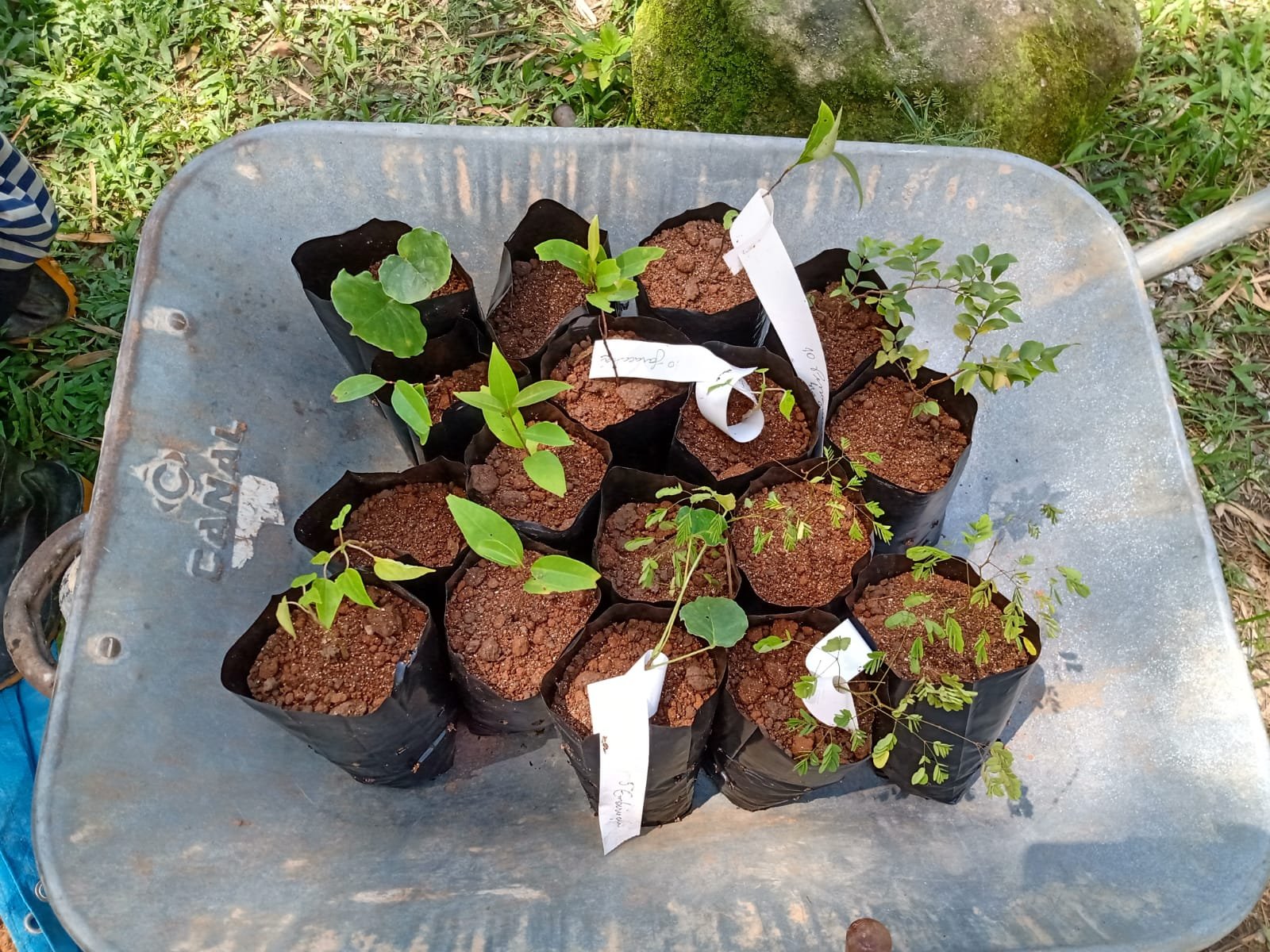
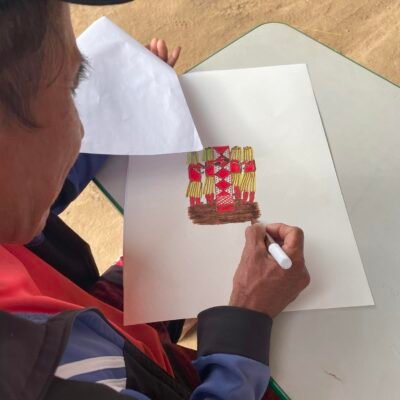
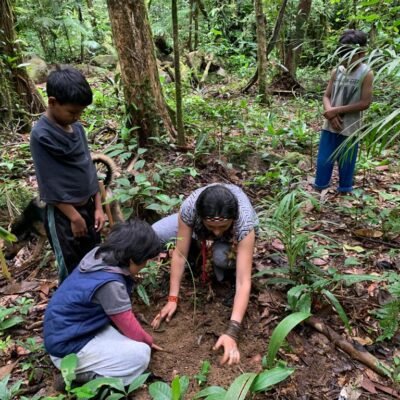
The FOREST-SCHOOL-VILLAGE community project consists of organising the village, the school, reforestation, caring for the springs, regular meetings of shamans and cultural specialists, as well as structuring workshops.
MONTHLY SUPPORT:
The resource has been fundamental for structuring the Forest School Village. It is used to install and maintain the internet, install electricity in the houses, hoses to supply each house with water from the spring, art materials, workshops, as well as collective meals and necessary transport.
NEXT STEPS:
Create opportunities for workshops.
Articulate partnerships and exchanges.
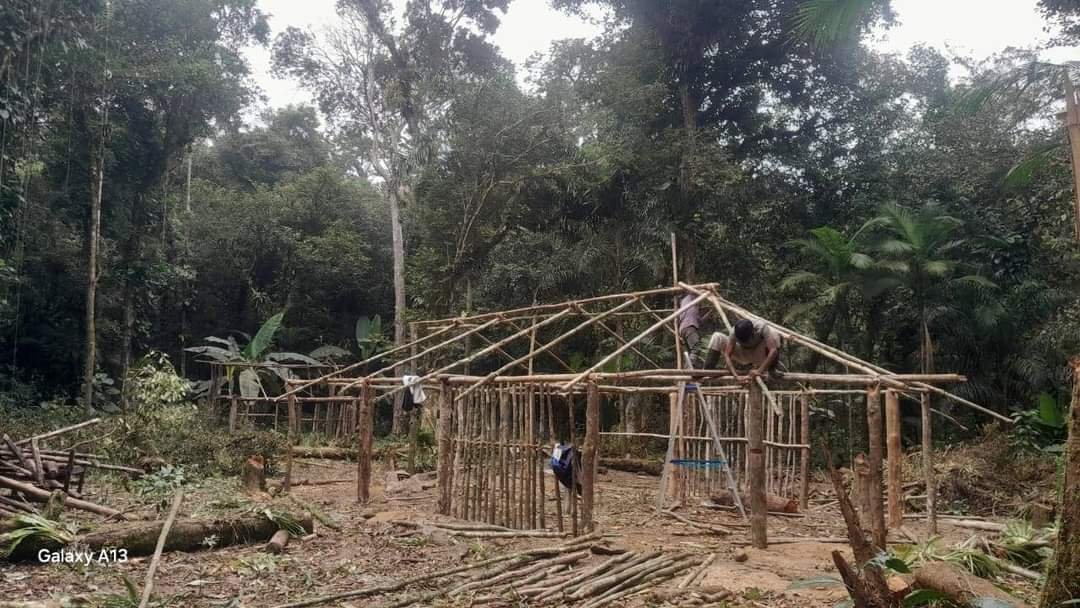
Collaborate on the creation of the houses designed for collective organisation.
Collaborate with the reforestation project..
Co-operate with the village school.
Promote environmental education activities for waste management.

COORDINATORS
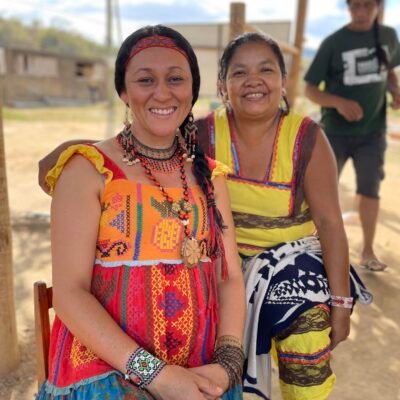
Sueli Maxakali was born in 1976, in the municipality of Santa Helena de Minas, and is a leader of the Maxakali people, an Indigenous people originally from a region between the present-day states of Minas Gerais, Bahia and Espírito Santo. Forced to move from their ancestral lands in order to resist various forms of aggression that have been accumulating for centuries and which even left them at risk of extinction in the 1940s, the Tikmũ'ũn, as they call themselves, keep their language and culture alive. Today, they are divided into communities throughout the Mucuri Valley in Minas Gerais. As well as being a leader, educator and photographer, Sueli is also an audiovisual director. With Isael Maxakali, she has produced some of the most emblematic films in contemporary Indigenous art, in the sense of recording and disseminating ancestral rituals and traditions, while at the same time transcending, with her poetry, her commitment to the struggle for the rights of Indigenous peoples. At the 34th Bienal, the artist presented the installation Kumxop koxuk yõg (The spirits of my daughters), a set of objects, masks and dresses that refer to the mythical universe of the Yãmĩyhex, the spirit-women.
Isael Maxakali was born in 1978 in the village of Água Boa, in Minas Gerais, where he grew up listening to and learning the songs and stories of the Yãmĩyxop spirits. Today he lives in the village of Ladainha, in Minas Gerais. In 1993, he married Sueli Maxakali, his life and work partner. At the turn of the century, he took over the kuxex, the singing house, becoming a young leader of his people. He was nominated as a teacher by local leaders, got closer to the non-Indigenous world and began to take part in activities linked to the Federal University of Minas Gerais (UFMG) in Belo Horizonte. He graduated from the Intercultural Training for Indigenous Educators course at UFMG. Moved by the desire to show the Maxakali culture, he began his journey into cinema. Today he is one of the main Indigenous directors working in Brazil, developing a body of work made up of ritual films, documentaries and animations. Isael's cinema is inseparable from his career as a political leader, teacher, researcher, designer, translator, apprentice shaman and singer, who knows part of the vast repertoire maintained and recreated by the Maxakali. In 2020, he received the Carlos Reichenbach Award for Best Feature Film at the 23rd Tiradentes Film Festival for his film Yãmĩyhex: as mulheres-espírito [the spirit-women] (2019), directed with Sueli Maxakali. He was also awarded the PIPA online prize, one of Brazil's main contemporary art awards. He is currently dreaming of acquiring the land where he moved with more than 100 Maxakali families to create his Forest School Village project.
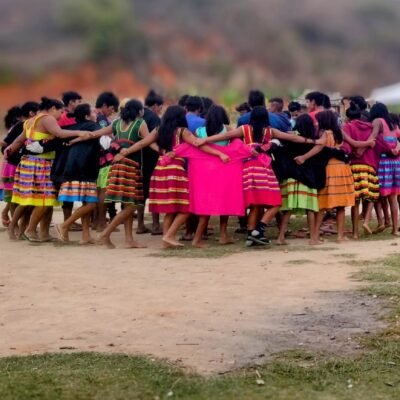
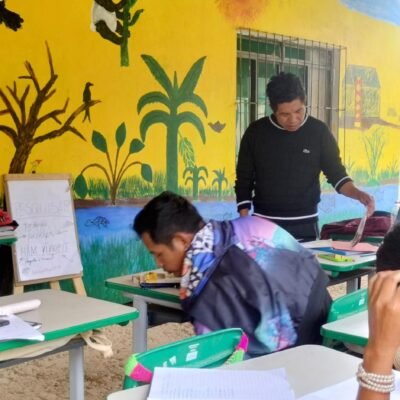
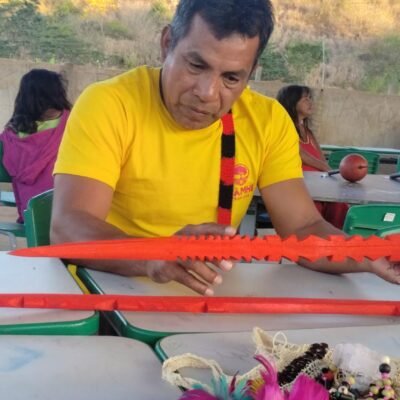
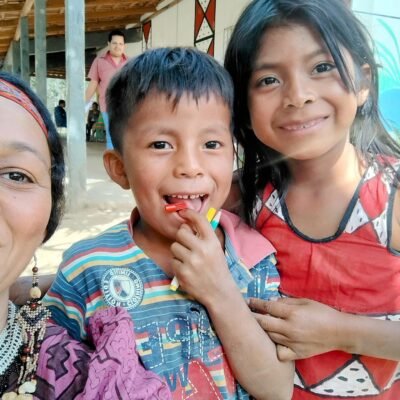

ARANDU PORÃ
GUARANI LIVING SCHOOL
Territory: Ribeirão Silveira Indigenous Land, the territory has 948 hectares approved and has been in the process of being extended for years, with the ordinance having been declared for 8,468 hectares, now bordering three municipalities: Bertioga, São Sebastião and Salesópolis.
Population benefited: directly 50 and indirectly 400 Guarani Mbya people.
Guarani Mbya
Coordinator: Carlos Papá
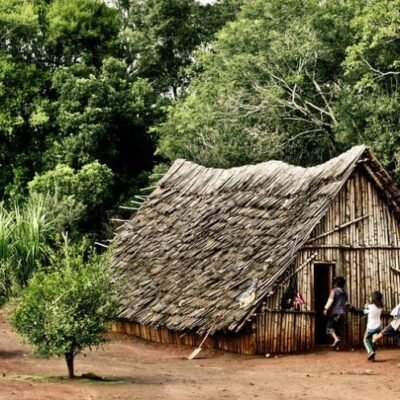
At ARANDU PORÃ, name of the Guarani Living School, young people have begun to awaken their dormant memories. Ancestral practices are in dialogue with agroforestry techniques, bee cultivation and an Essence House.
In this territory, where the Guarani language is dominant, children and young people find at the Living School a place to learn the stories of their people, practise their art and science.
The GUARANI PEOPLE inhabit the southern region of South America in a vast territory that overlaps the territories of Paraguay, Brazil, Argentina, Uruguay and Bolivia. The GUARANI call this entire region YVY RUPA. In the territory of Ribeirão Silveira [Silveira River], where ARANDU PORÃ is located, young people are beginning to realise the importance of the LIVING SCHOOL and, through this dialogue, have begun to sing things that were lost many years ago.
The LIVING SCHOOL is a tool for bringing back this ancient education, an education in respect, an education in health, an education in walking, an education in talking, an education in looking.
"Through the Living School I've been able to have an experience with the elderly about
the importance of life and how important it is to value the knowledge of our tradition and, with a lot of effort, this has been practised. Today, young people are seeking out the cultural centre more when they want to talk, talk about their dreams, draw and learn more about the stories. A small part of the community and I recognise ourselves as a living school. A larger part does not understand yet, but I believe that, with time, they will."
Carlos Papá
MONTHLY SUPPORT:
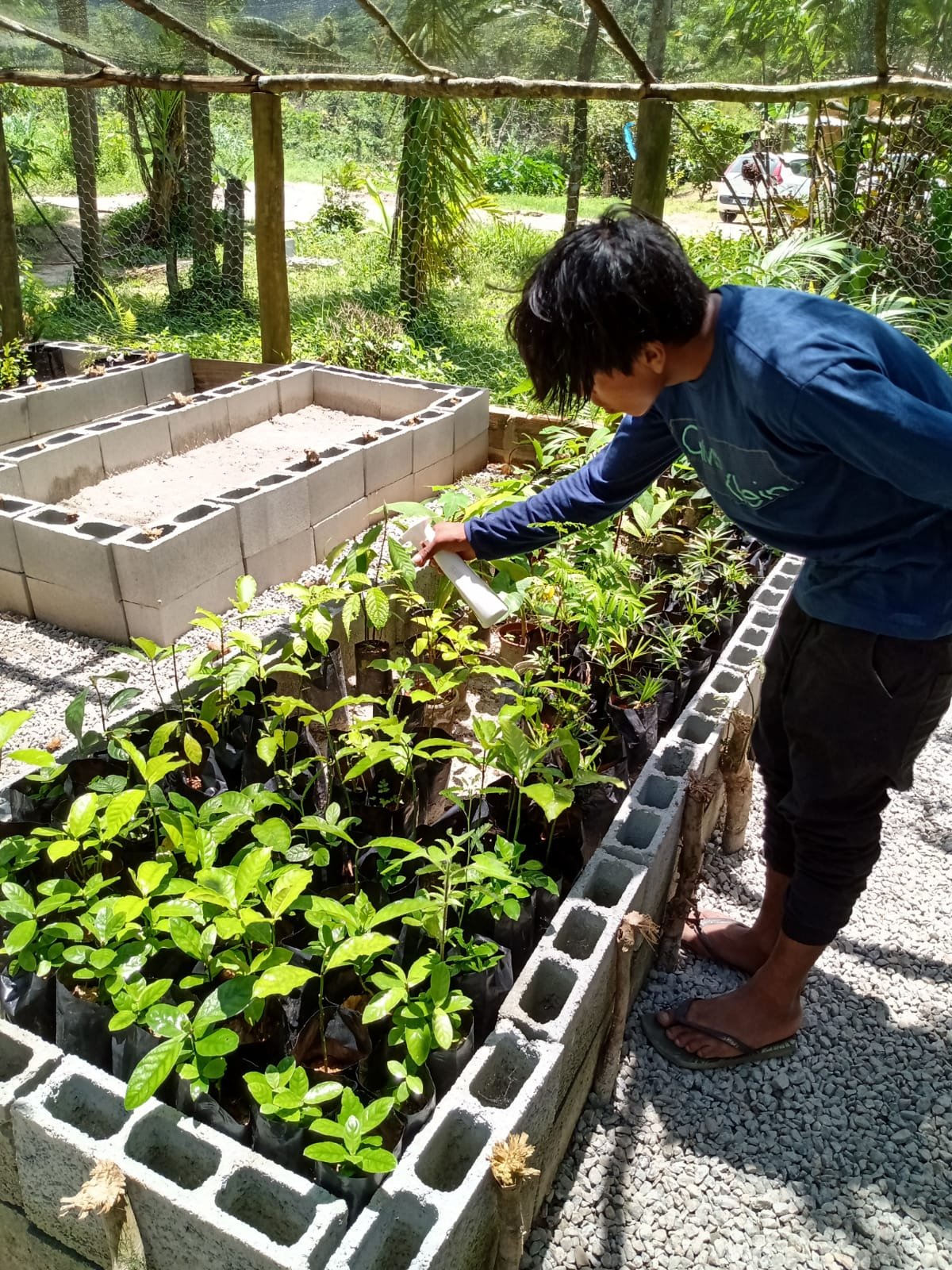
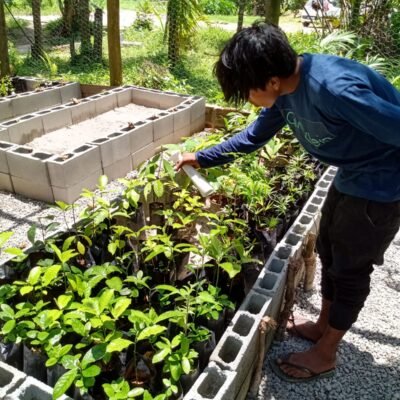
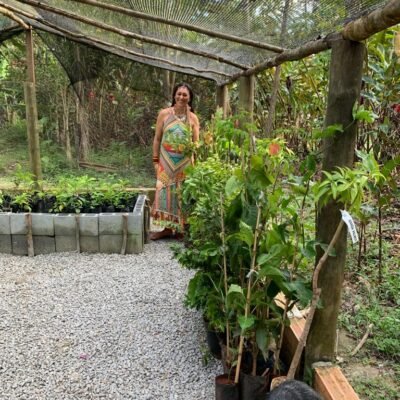
workshops, maintenance of the prayer house and plant nursery, as well as support for families involved in the school's activities.
NEXT STEPS:
- Guarani exchanges, to exchange seeds and raise native bees.
- building a birthing centre to care for young girls in the pregnancy phase and to carry out births.
- strengthening the gardens to achieve food security.

COORDINATOR
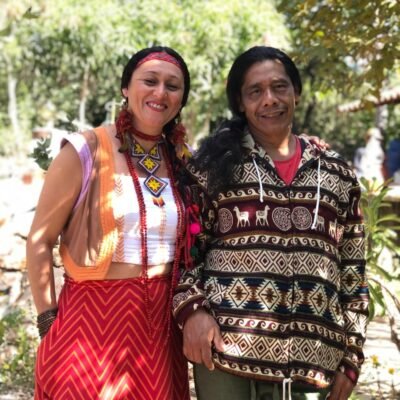
Carlos Papá Mirim Poty belongs to the Guarani Mbya people. He lives in the village of Rio Silveira, located on the border between the municipalities of Bertioga and São Sebastião, and is a guardian of the sacred Guarani words. Over the last few years, Papá has been sending messages to the world about the importance of valuing and respecting the Nhë'ery, the Atlantic Rainforest. Through Ayvu Porã, the good and beautiful words, he transmits the philosophy and ancestral memory left by his grandparents. He has been working with audiovisuals for over 20 years, cultivating the memory and history of his people through cultural workshops with the young. He also acts as a spiritual leader in his community, being familiar with the plants that heal and guide our journey. He is a representative of the Guarani Yvy Rupa Commission and also a founder and counsellor of the Maracá Institute. There have been numerous projects and events in which he has participated and to which he has been invited in recent years, such as: the World Indigenous Peoples' Games in Tocantins in 2015; the Mekukradjá - Circle of Knowledge debate cycle at Itaú Cultural; various film screenings, exhibitions and festivals, such as Aldeia SP - Indigenous Film Biennial, the Tela Indígena Festival in Porto Alegre and the Festival of Indigenous Cultures at the Memorial da América Latina in São Paulo. He was the curator of rec.tyty - Festival of Indigenous Arts. He took part as an artist in the Moquém-Surari exhibition at the São Paulo Museum of Modern Art (MAM-SP) during the 34th São Paulo Biennial.

MADZEROKAI
HOUSE OF ANCESTRAL KNOWLEDGE
BANIWA LIVING SCHOOL
Territory: Assunção do Rio Içana village - 6,690 hectares
Population benefited: 90 families and approximately 700 people, divided into 7 villages (neighbourhoods), Assunção, Mazzarelo, Sagrado Coração de Jesus, Dom Bosco, Santa Cruz, Carará poço and São Francisco
Ethnicities: Baniwa, Tariano, Kubeo, Werekena, Tuyuka, Koripako, Wanano, Tukano and Baré.
Languages spoken: Baniwa and Nheengatu.
Coordinators: Francy Baniwa and Francisco Fontes Baniwa
The Medzeniakonai are inhabitants of the cultural and multilingual system of the Upper Rio Negro, an area of approximately 250,000 km² that covers the north-west of the Amazon basin, in a cross-border region with Venezuela and Colombia. They are one of the 23 Indigenous peoples who inhabit the Upper Rio Negro Indigenous Land, a vast territory of around 80,000 km², located in the municipality of São Gabriel da Cachoeira (AM). Together with this group of peoples, they have a deep history dating back at least 3,000 years of unique cultural development. Their more than 90 communities, spread along the Içana and Ayari rivers, tributaries of the Rio Negro that make up the Içana basin, speak Baniwa and Koripako, dialectal variations of a northern Arawak language; Nheengatu, or general language, from the Tupi-Guarani family; Portuguese and Spanish; as well as various languages of other peoples who also inhabit their traditional territory, such as Tukano, Wanano and Kubeo, from the Tukano family. The Içana basin covers around 35,000 square kilometres, of which 27,000 square kilometres are in Brazilian territory.
The determination of the Baniwa and Koripako peoples as ‘Walimanai’ (the humanity that inhabits the present world) or ‘Wakoenai’ (those who speak our language) was made by non-Indigenous people. As far as we are concerned, we are the ‘Medzeniakonai’, which means that we are original-speaking peoples. When we refer to the Medzeniakonai, we mean the 19 clans that make up the Baniwa and Koripako-speaking nation: Baniwa - Walipere-dakeenai, Hohodeni, Dzawinai, Kadaopolittana Liedawieni, Kadaopoliro, Kotteeroeni, Adzaneeni, Maoliene, Paraattana, Moliweni, Awadzoronai, Jurupari Tapuya, Mawettana, Tokedakeenai and Hipattana; Koripako - Komadaminanai, Kapittiminanai and Padzowalieni.
According to our millenary culture, we are the inheritance left by Heeko (demiurge) there in the stone-land, the centre of formation and origin of humanity, located in ‘Hiipana’ (eeno hiepolekoa - navel of the world) in Uapuí-Cachoeira, on the Ayari River. This is where humanity emerged, especially the Baniwa people, their clans and their territories.
From our gods we have inherited a vast expanse of land, delimited by a set of markings (petroglyphs) that have defined the territory of each clan of our people since time immemorial. These historical and ancestral demarcations are what allow for control, governance and environmental management in our territory.
Our original form of social organisation dates back to the creation of the world and of humanity, in other words, it was in Uapui-Cachoeira that we began our form of self-government. We are part of the ethnic socio-diversity and cultural plurality of the Rio Negro. We are the basis of the existence of harmonious coexistence, of living well and living well in this land.
Our way of life has always been ‘interculturality’, acquired through coexistence between the Baniwa and Koripako peoples and other ethnic groups that have historically inhabited the upper Rio Negro region. This is why it is so important and fundamental for strengthening our experience, our rights, our culture, our plans for the future, governance and territorial and environmental management of the Indigenous Lands, which are unavailable, imprescriptible and inalienable assets of the Union, destined for the enjoyment of the Indigenous peoples.
The BANIWA LIVING SCHOOL is a great achievement for the Baniwa people, who live in the north-west of the Amazon, in the Alto Rio Negro Indigenous Territory, in the municipality of São Gabriel da Cachoeira-AM. This territory is home to 23 peoples of different languages, cultures and religions. It is the most Indigenous territory in Brazil.
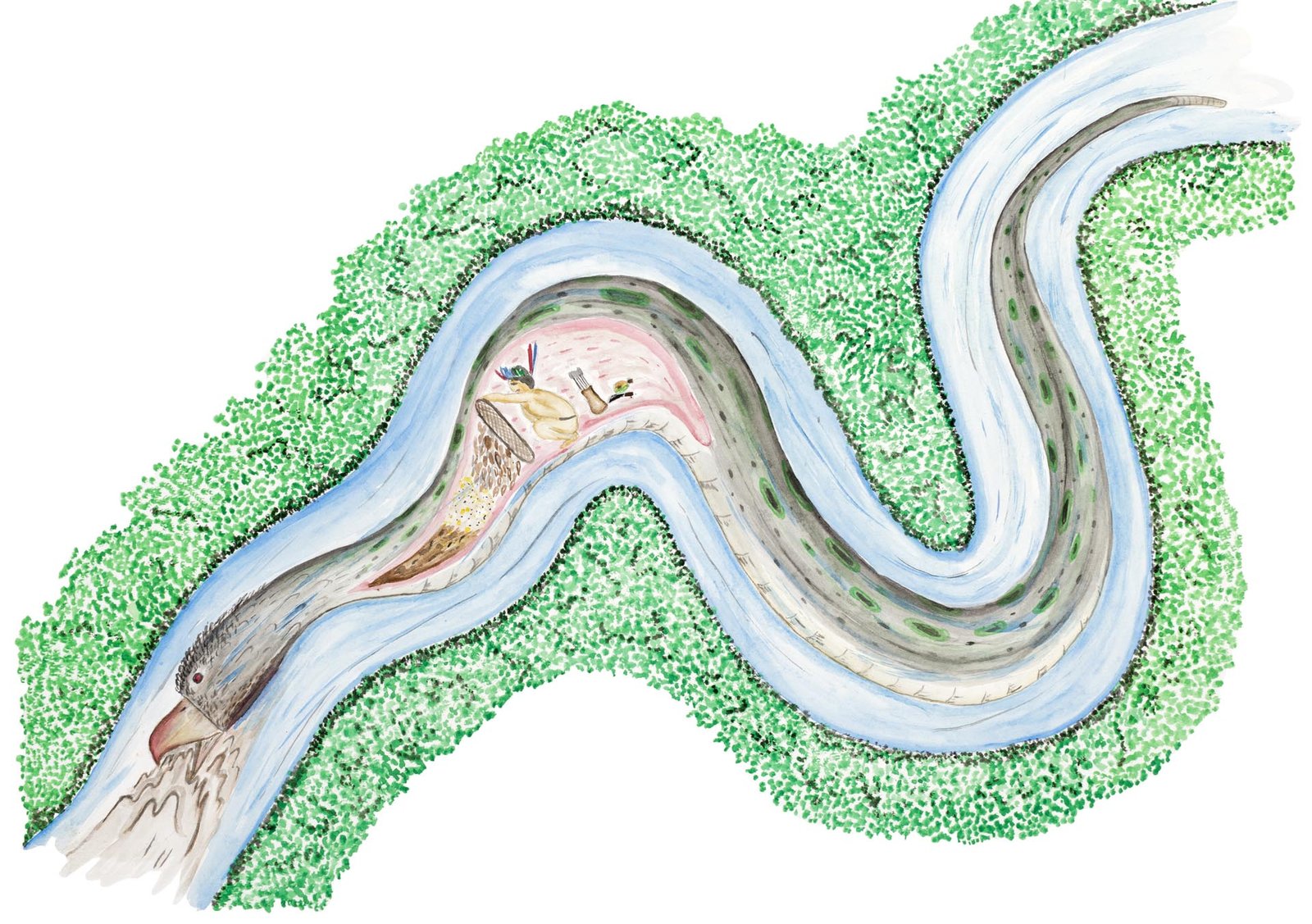
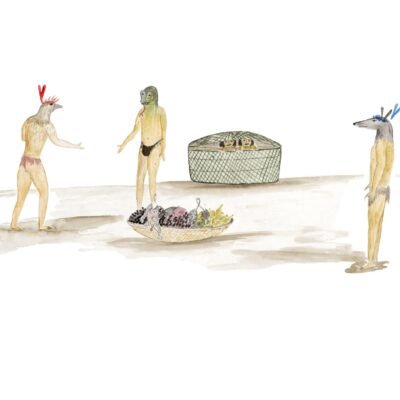
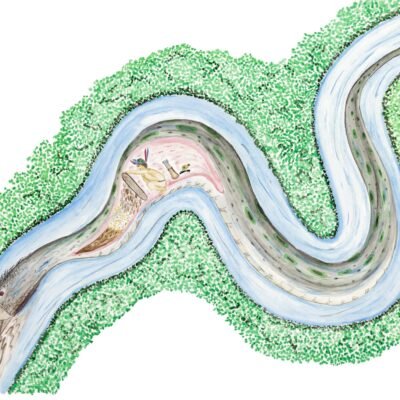
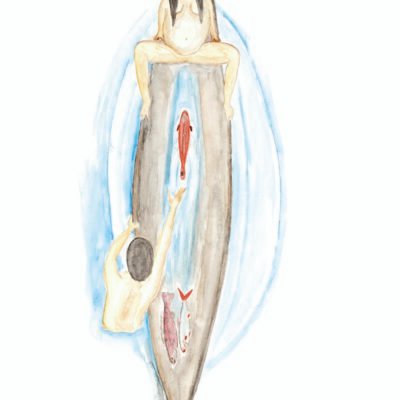
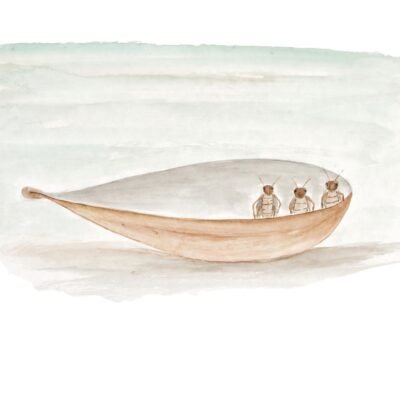
The BANIWA LIVING SCHOOL was born out of six years' work researching and writing the book Umbigo do Mundo [Navel of the World] (Dantes Editora, 2023), by FRANCY BANIWA in dialogue with her father, FRANCISCO LUIZ FONTES BANIWA (MATSAAPE), the narrator of traditional oral stories, and her brother FRANK FONTES BANIWA (HIPATTAIRI), the author of 74 watercolours. The BANIWA LIVING SCHOOL was thus born through the narratives that are our guide to living well.

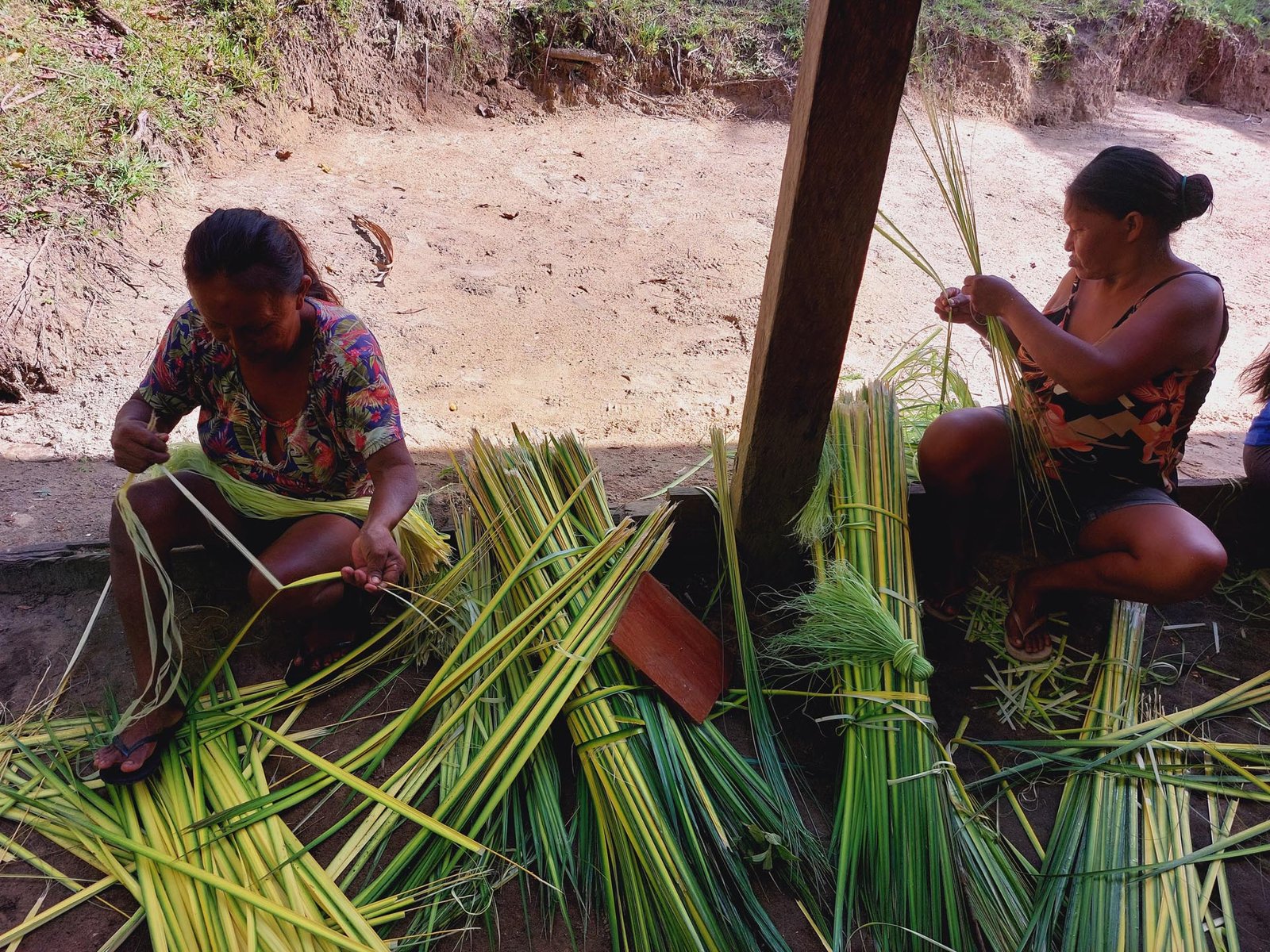
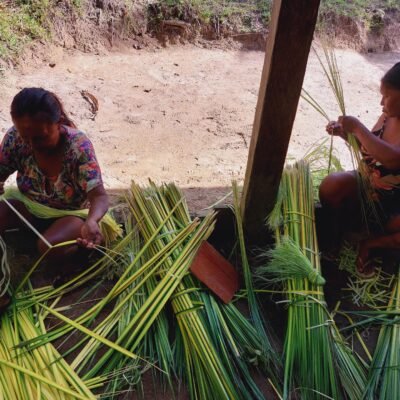
‘This is the place where I was born and grew up. It's where my aunts, grandparents, cousins, friends and childhood friends are. This is the basis of everything, the basis of teaching, what made me who I am today. The community had no trouble understanding what a Living School is when I presented the project. Because we are already a Living School. A Living School happens when you wake up at four in the morning to take a shower and also when you go to bed at six in the evening after a long day's work in the fields. Everything we are and everything we do in the community within our homes is a living school. All the basketry, the art of cutting straw, fishing, cleaning fish, looking after the farm, all of it. My father is a living school. My uncles and teachers are living schools. All the fields are living schools. So is our community and all the residents here. Through the braids, the songs, the fermented drink shared on caribé mornings, which is a daily sharing, with the laughter of the women talking, playing together with the children and the youth.’
Francy Baniwa
MONTHLY SUPPORT:
The monthly amount is used to pay our experts, who work to train our young people and people from the community. They are our Indigenous doctors who are the master tutors at the Living School.
Women artisans and farmers: Natália Martins (Werekena), Virginia Olímpio (Baniwa), Isabel Castro (Baniwa), Bibiana Fontes (Baniwa) and Maria Bidoca (Koripako). Wise men, artisans and experts: Francisco Fontes (Baniwa), Francisco D'Ávila (Baniwa), Hermes Plácido (Baniwa), Jorgue Idalino (Baniwa), Frank Fontes (Baniwa), Leonor Fontes (Baniwa), Gleibson Fontes (Baniwa), Estevão Fontes (Baniwa).
NEXT STEPS:
- Research into the Baniwa Indigenous calendar, mapping the territory;
- Holding workshops to study our territory, drawing workshops,
and cartography workshops;
- Research into soil types, collecting data on birds, fish, animals and plants with a view to producing books about our own home;
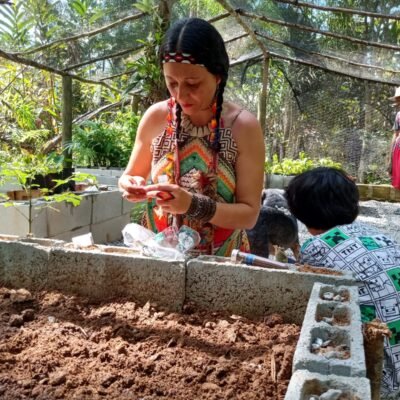
- Creating gardens for the Living School to strengthen food sovereignty and our well-being;
- Teaching young people about the importance of this ancestral knowledge.

COORDINATORS
Francisco Luiz Fontes Baniwa is a Baniwa of the Waliperedakeenai clan, from the community of Ucuqui Cachoeira, located on the Uaraná river, a tributary of the Ayari river, part of the Içana river basin. He is a maadzero - which means ‘wise’ to the Baniwa people. He is a master of dances, songs, musical instruments, a storyteller, a healer and a craftsman - all of which he learnt from his father, uncles and grandfathers from the Waliperedakeenai and Hohoodeni clans. Polyglot and narrator of the book Umbigo do Mundo [Navel of the World]. He was born speaking Baniwa and Koripako, started learning Nheengatu with his father and understands Kubeo because of his maternal grandmother. As well as knowing Portuguese and Spanish, he also learnt to speak Wanano on his travels and became fluent in Nheengatu when he settled and married in Asunción in his youth.
Francineia Bitencourt Fontes (Francy Baniwa) is an Indigenous woman, anthropologist, photographer and researcher of the Baniwa people, of the Waliperedakeenai clan, born in the community of Assunção, on the Lower Içana River, in the Alto Rio Negro Indigenous Land, municipality of São Gabriel da Cachoeira - AM. She has been involved in the Indigenous organisations and movement of the Rio Negro for a decade, working and researching in the areas of Indigenous ethnology, gender, Indigenous organisations, traditional knowledge, memory, narrative, photography and audiovisuals. She has a degree in Sociology (2016) from the Federal University of Amazonas (Ufam). She has a master's degree (2019) and is a PhD candidate in Social Anthropology at the National Museum of the Federal University of Rio de Janeiro (PPGAS-MN/UFRJ). She is the director of the 2020 documentary Kupixá asui peé itá - A roça e seus caminhos [The farmland and its paths]. She is currently coordinating the pioneering ecological project for the production of Amaronai Itá - Kunhaitá Kitiwara cloth sanitary pads, funded by the Rio Negro Indigenous Fund (FIRN/FOIRN), for the empowerment and menstrual dignity of women from the alto-rio-negrino Indigenous territory. She is the author of the book Umbigo do Mundo [Navel of the World], written from the stories of her father, Francisco Fontes Baniwa, and illustrated by her brother, Frank Fontes Baniwa - published by Dantes Editora in 2023.
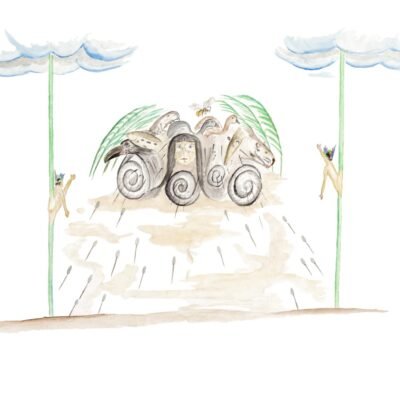

SHUBU HIWEA
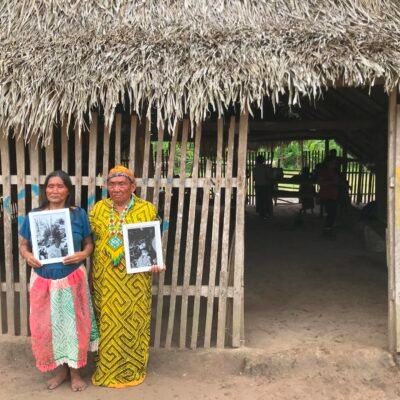
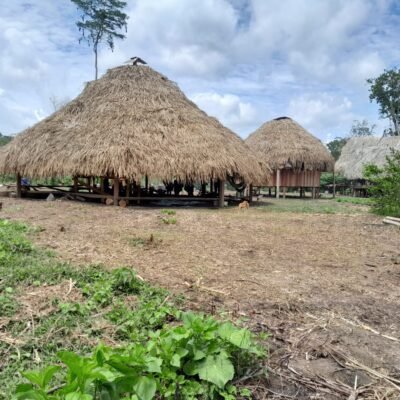
LIVING SCHOOL HUNI KUÏ
Territory: Indigenous Land of the Jordão River - 87,000 ha
Central point: Coração da Floresta [Heart of the Forest] village
Population benefited: 3000 Huni Kuï people
Coordinators: Dua Busë and Netë
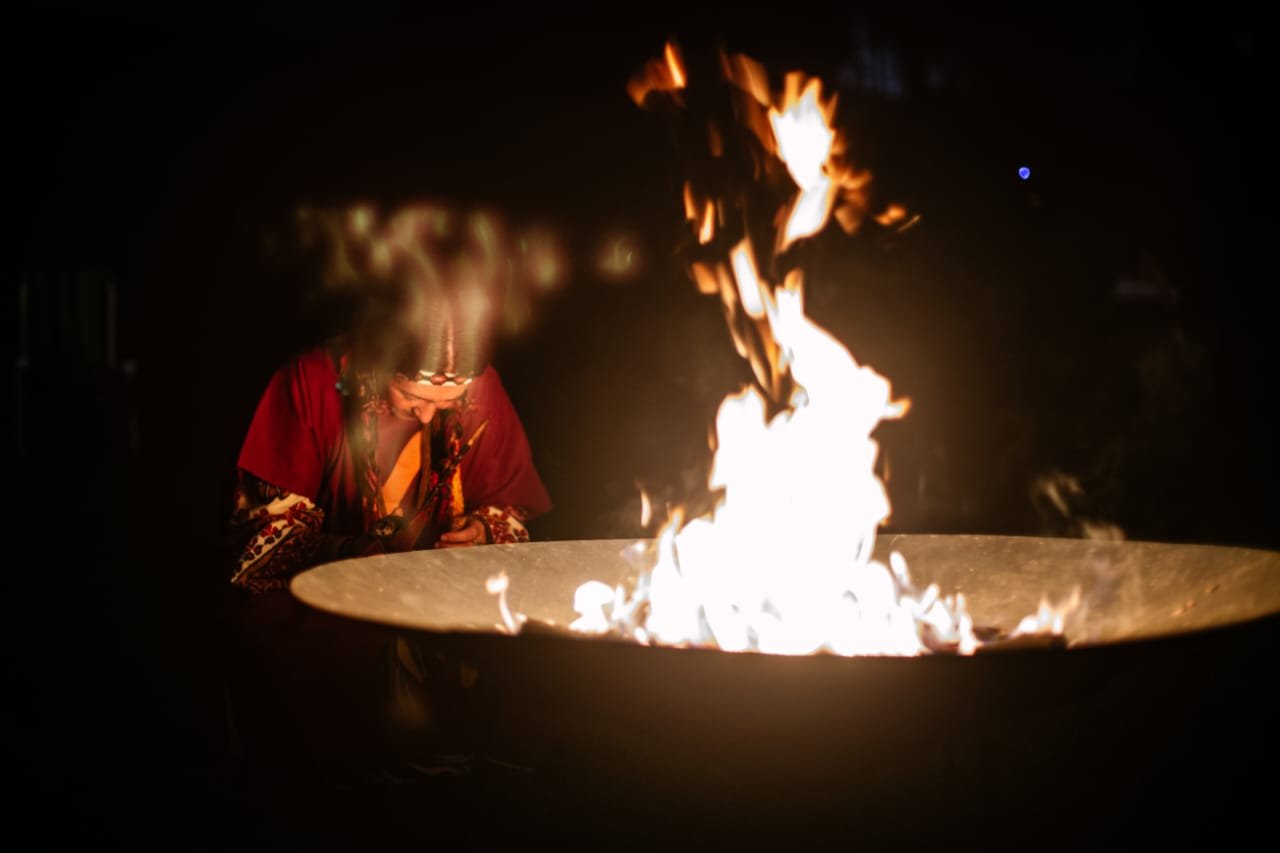
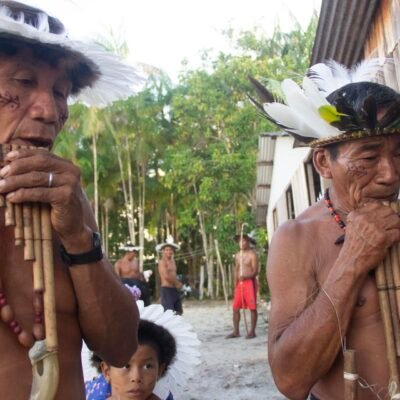
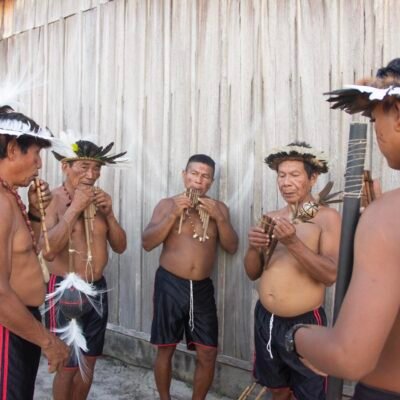
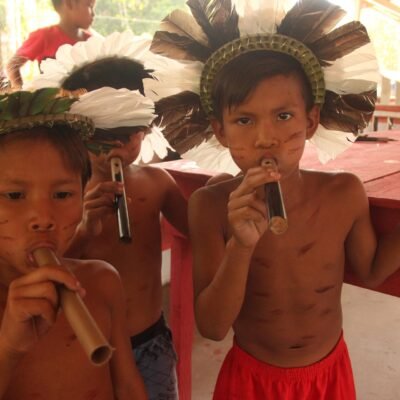
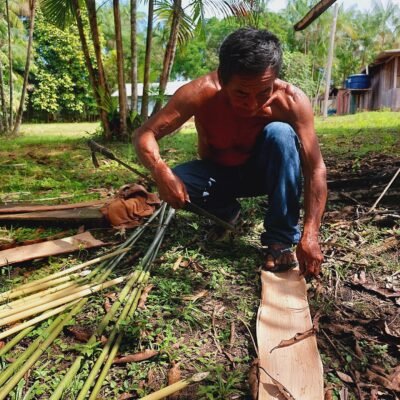
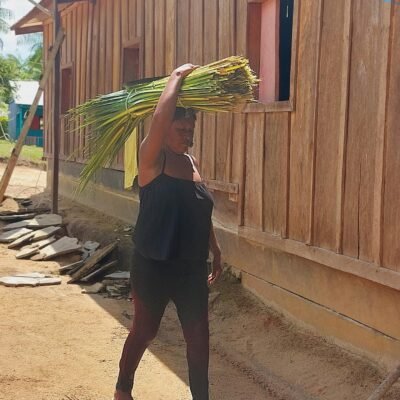
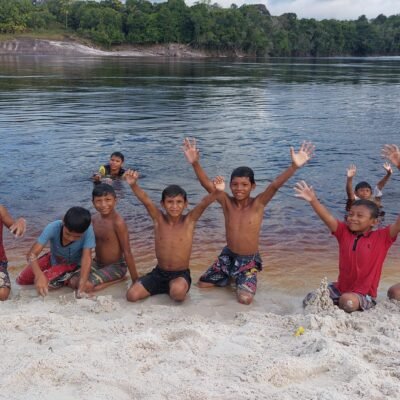
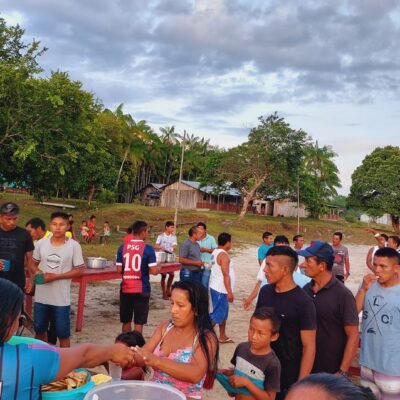
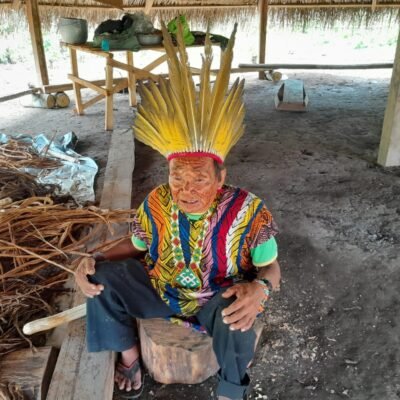
The Shubu Hiwea LIVING SCHOOL is a dream of the shaman DUA BUSË. He lives with his family in the village of Coração da Floresta, on the Upper Jordan River. DUA BUSË has deep knowledge of the HUNI KUÏ culture - of stories, medicine, music and spirituality - and over the years he has passed on his knowledge to other shamans and apprentices. In his village, he has created a large garden, which he has named Parque União da Medicina [Medicine Union Park], where the traditional medicine of his people is cultivated, studied and practiced.
“For this support given, I will pass on a message of joy, peace for us to achieve our strength with confidence within our hearts, within our souls, for our Yuxibu to help even more. May all of us Indigenous people achieve joy, our work, our culture, our tradition and all the various Indigenous people we have in Brazil, our entire nation, not just one relative.”
Dua Busë
MONTHLY SUPPORT:
With the monthly support, the shaman Dua Busë can remain in his village. The resource guarantees the existence of this important elder, food, art materials, gasoline and internet access.
NEXT STEPS:
Articulate support and exchanges.
Support artistic production in the Coração da Floresta village.
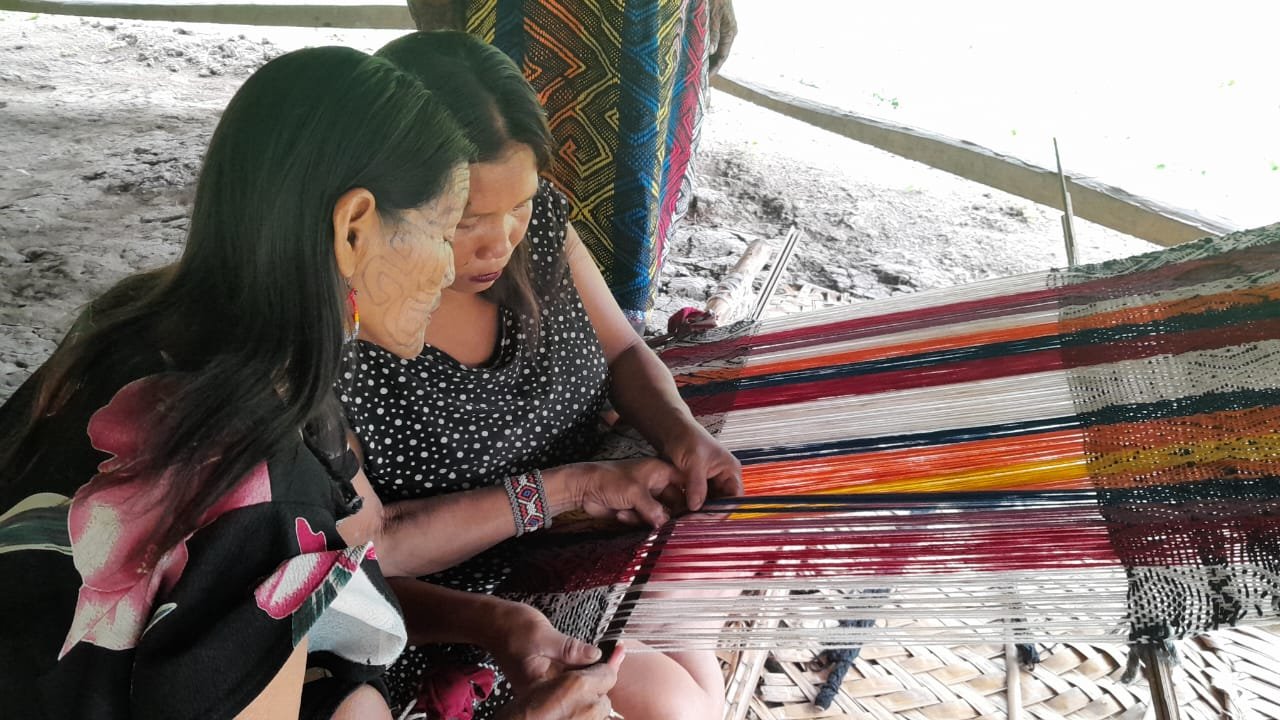
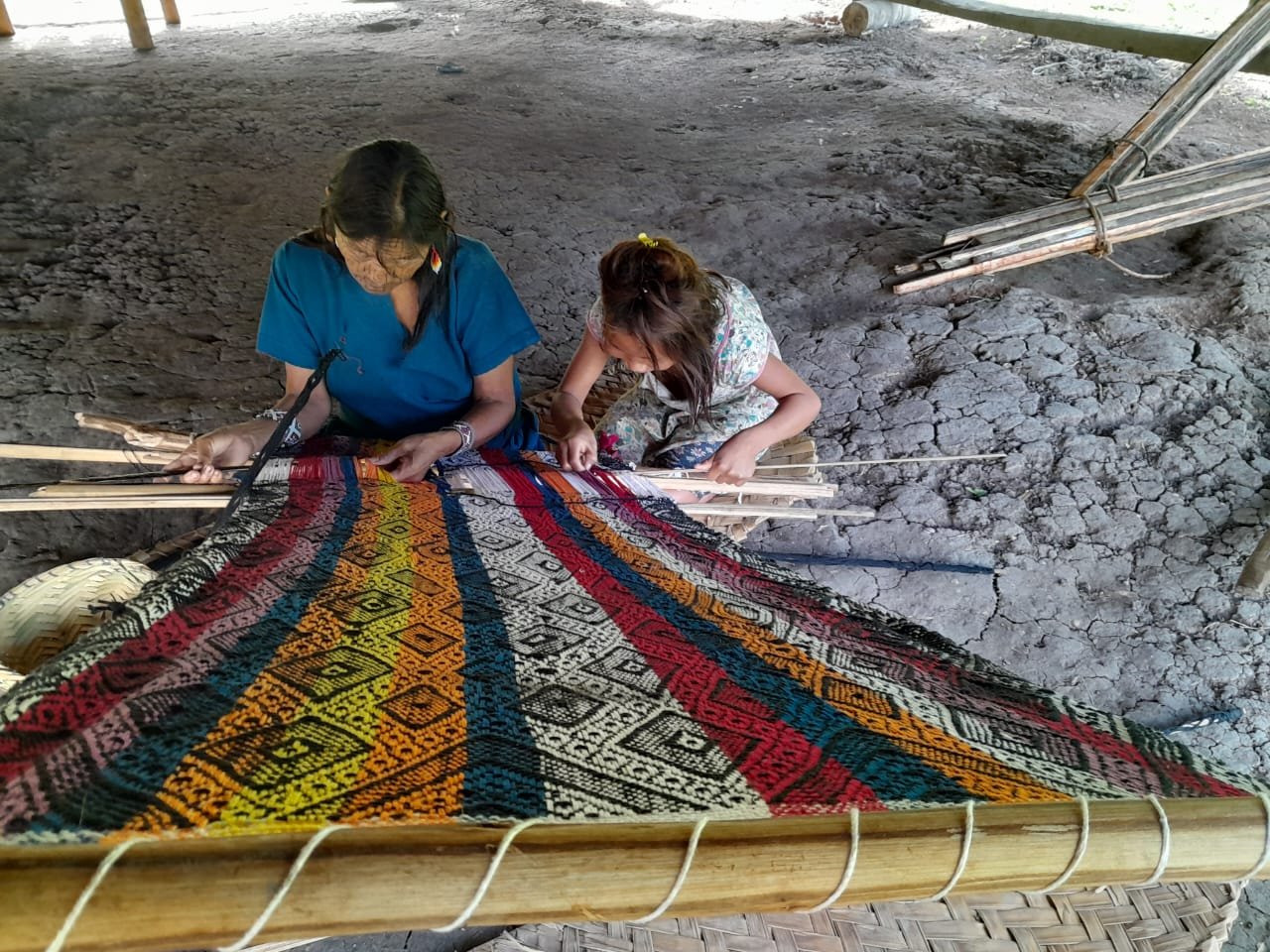
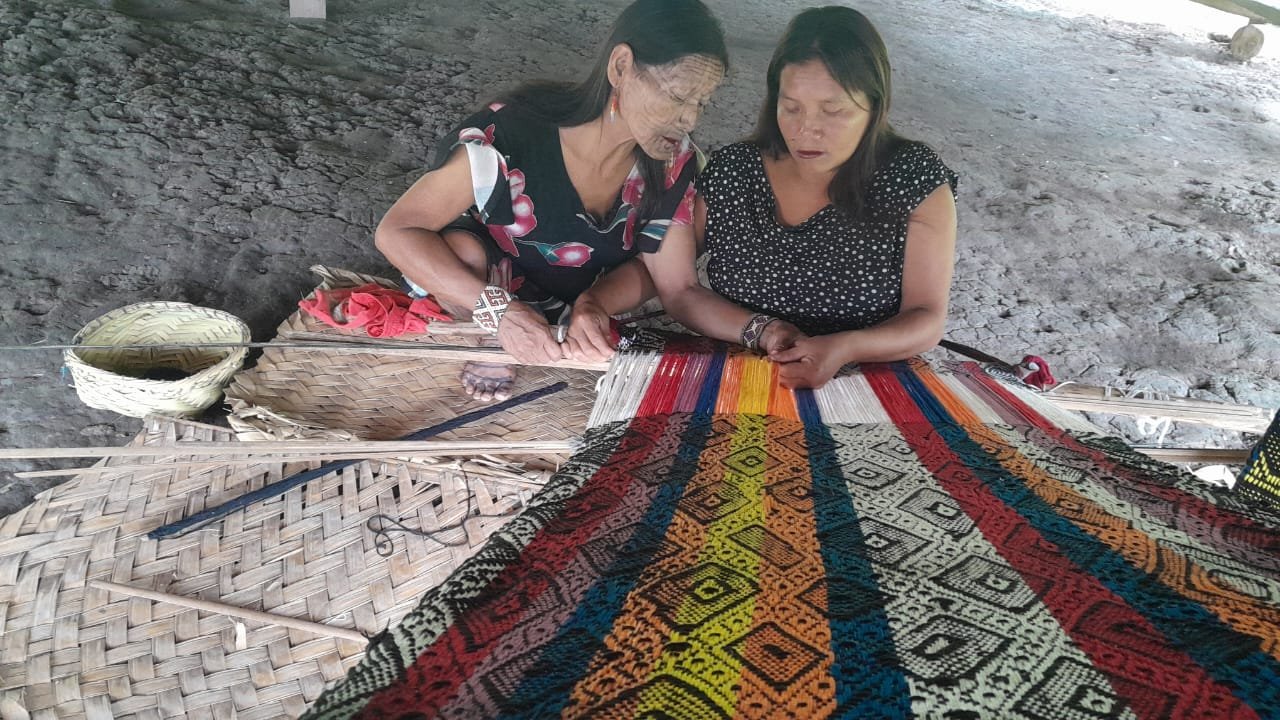
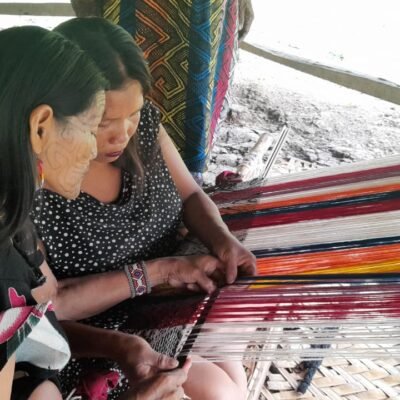
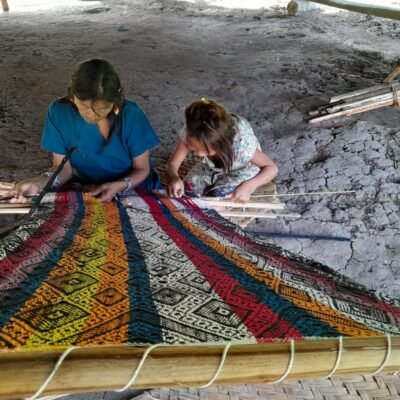
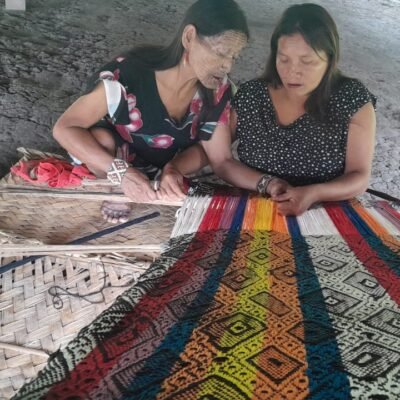
Support weaving and beadwork workshops with the women.
Support the Essence Houses and the training of more specialists.

COORDINATORS
Dua Busë is a shaman and teacher. He lives in the village of Coração da Floresta, on the upper Rio Jordão, in Acre, on the border with Peru. He has in-depth knowledge of the Huni Kuin culture - stories, medicine, music and spirituality and, over the years, has passed on his knowledge to other shamans and apprentices.
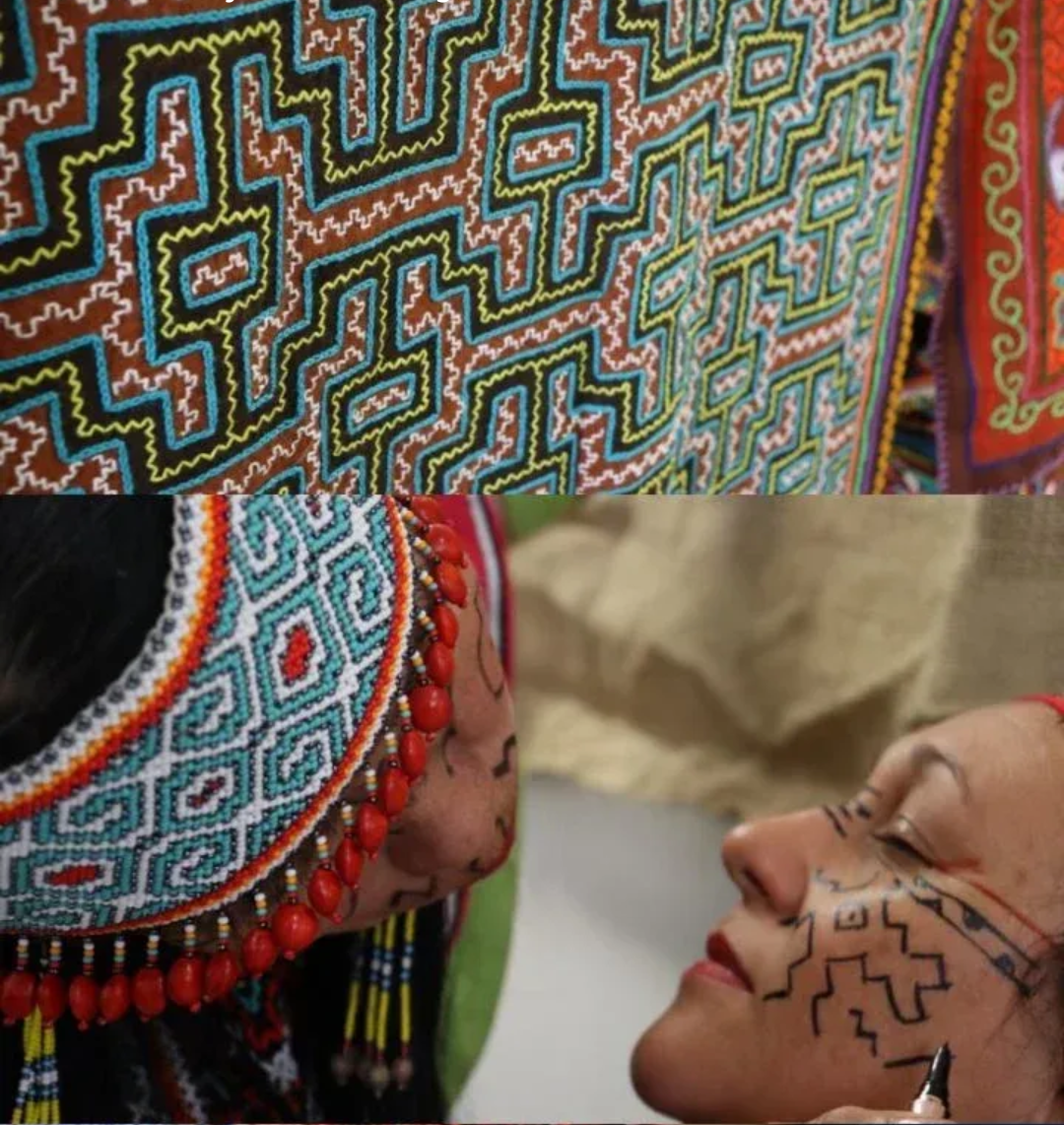
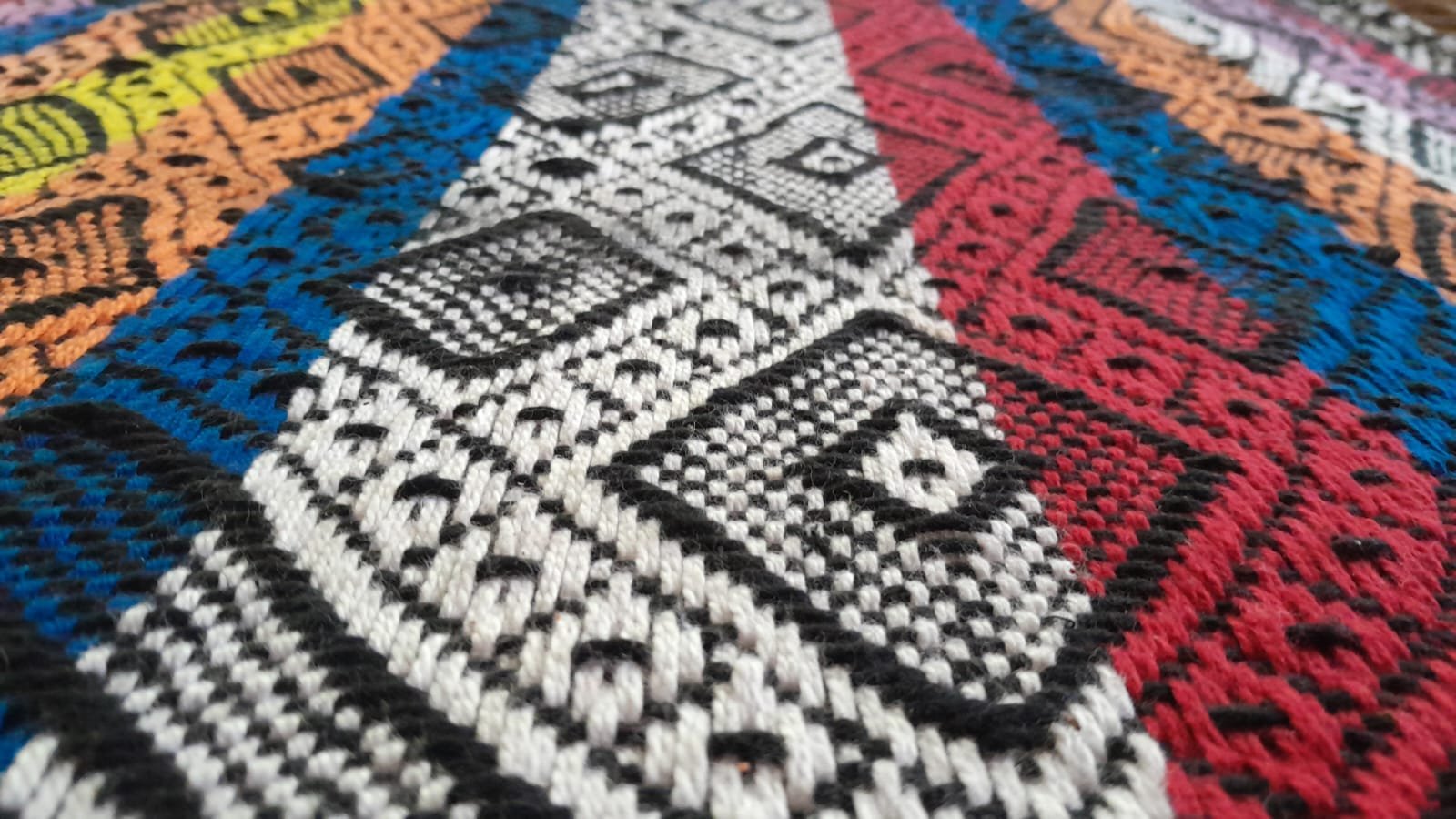
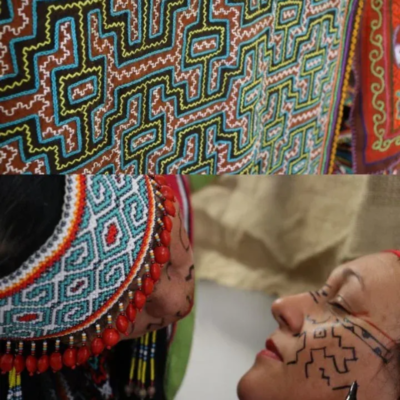
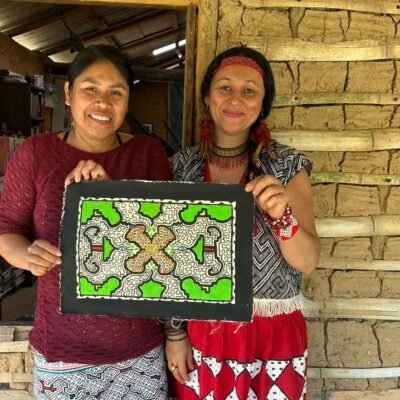
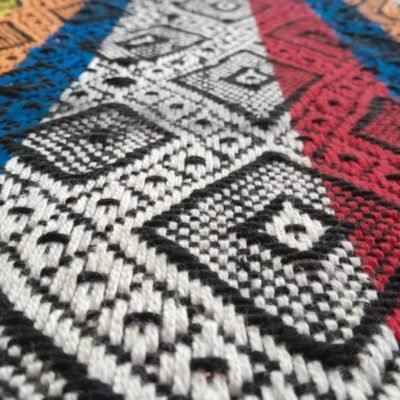
Netë Huni Kuï is a master weaver and knows 26 kenês (sacred graphics) from the Huni Kuï tradition, which dates back to the time of the Shenipabu (ancient people). Together with Dua Busë, she opened the Una Shubu Xinã Kuï weaving school.
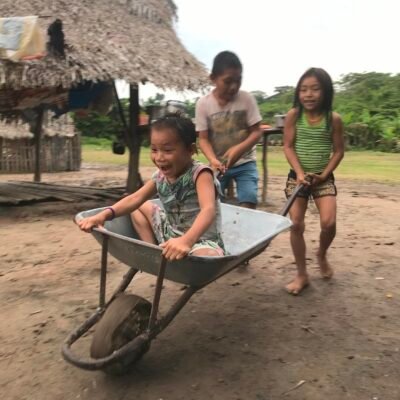
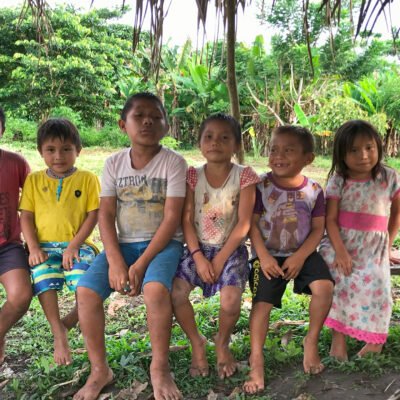
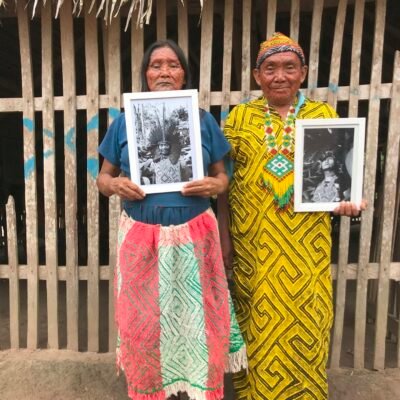

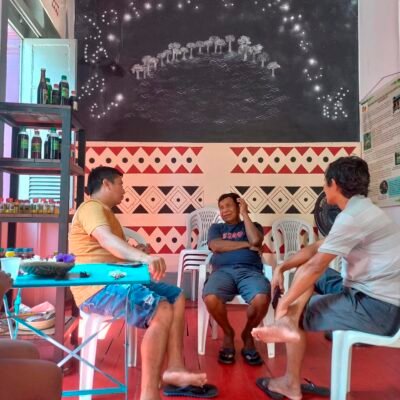
BAHSERIKOWI CENTER OF INDIGENOUS MEDICINE
LIVING SCHOOL TUKANO-DESSANO-TUYUKA
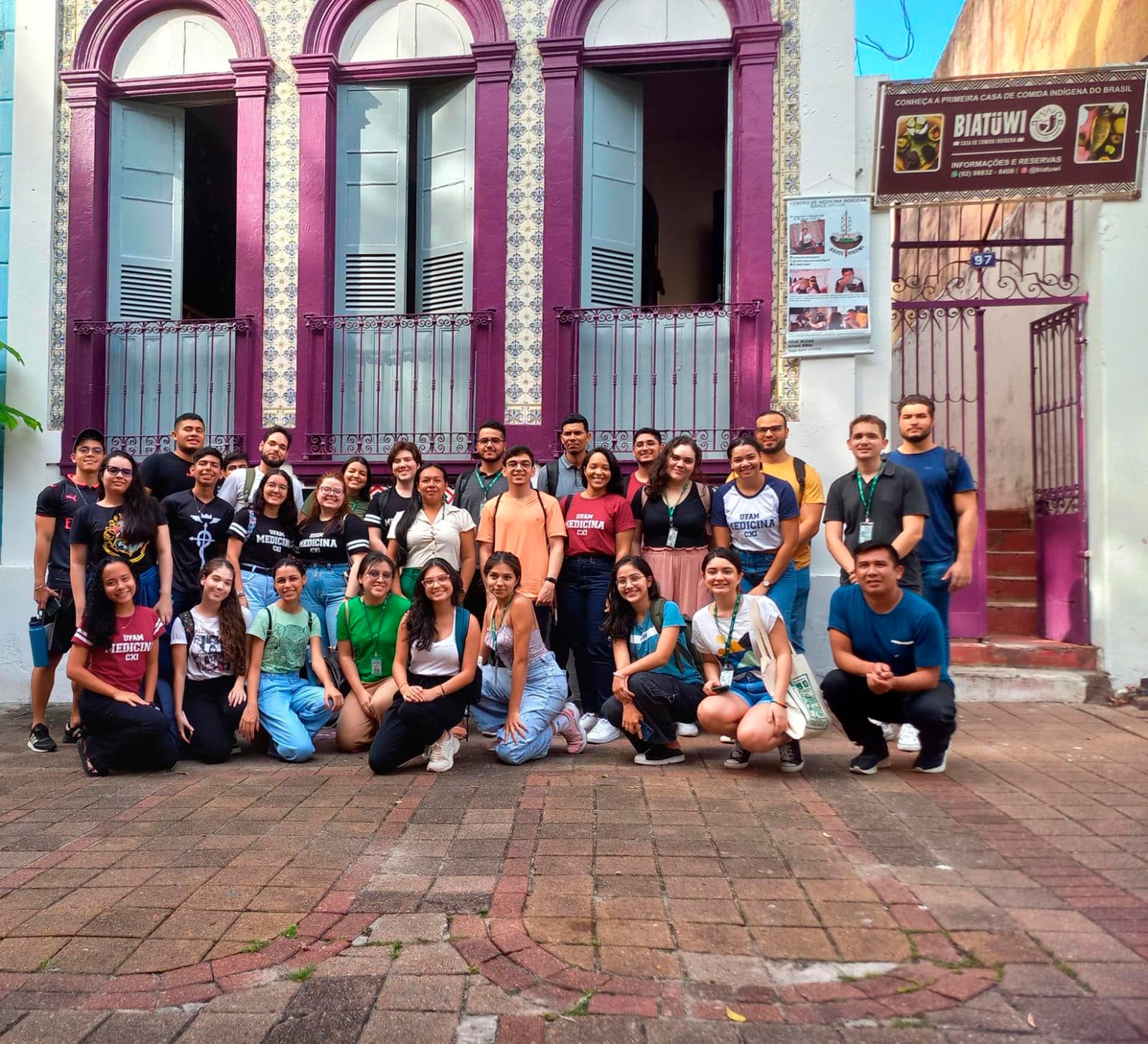
Location: Rua Bernardo Ramos, n° 97, Centro Histórico, Manaus- AM
People benefited: 1,000 people served annually
Coordinators: João Paulo Tukano and Carla Wisu
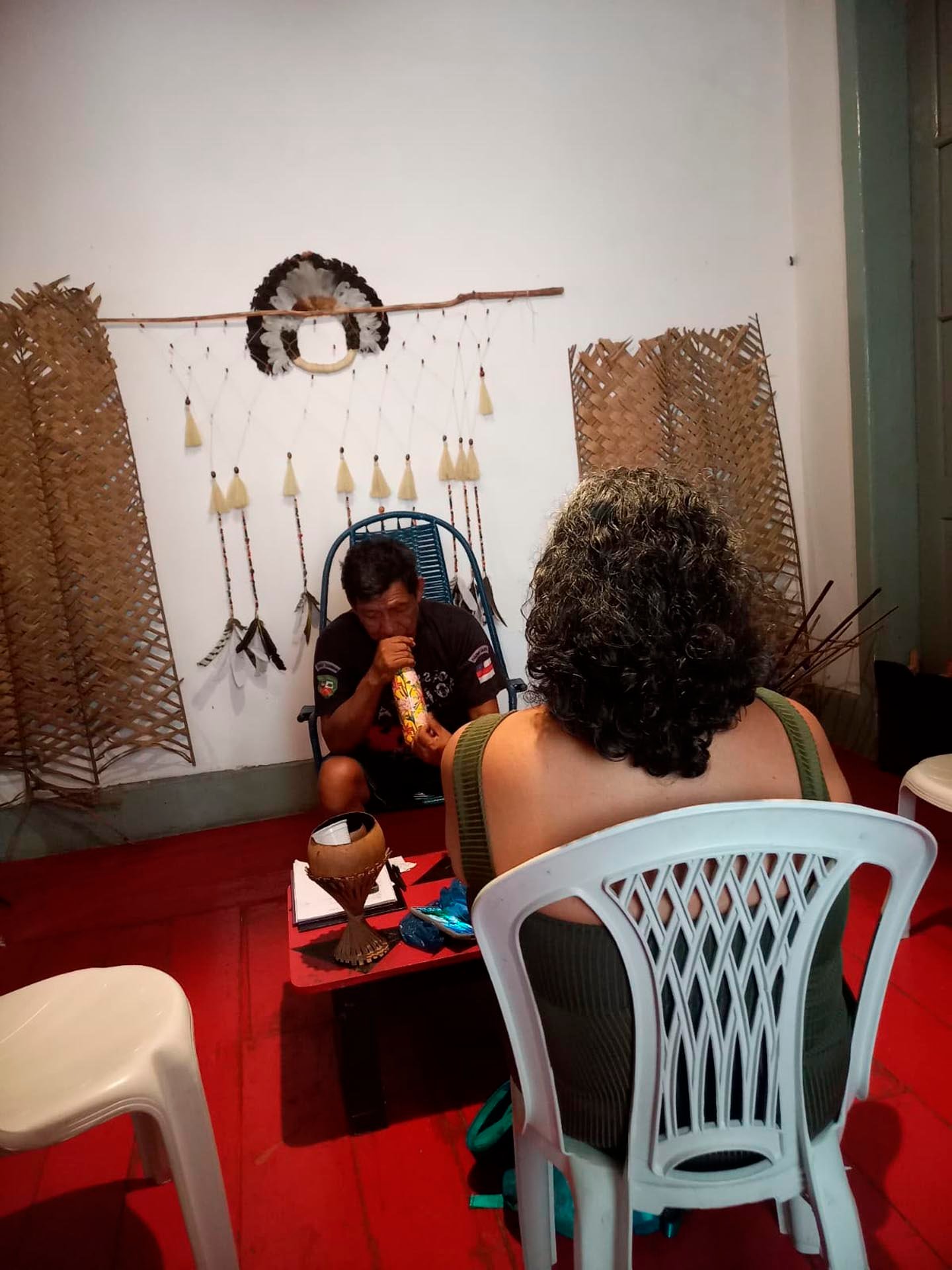
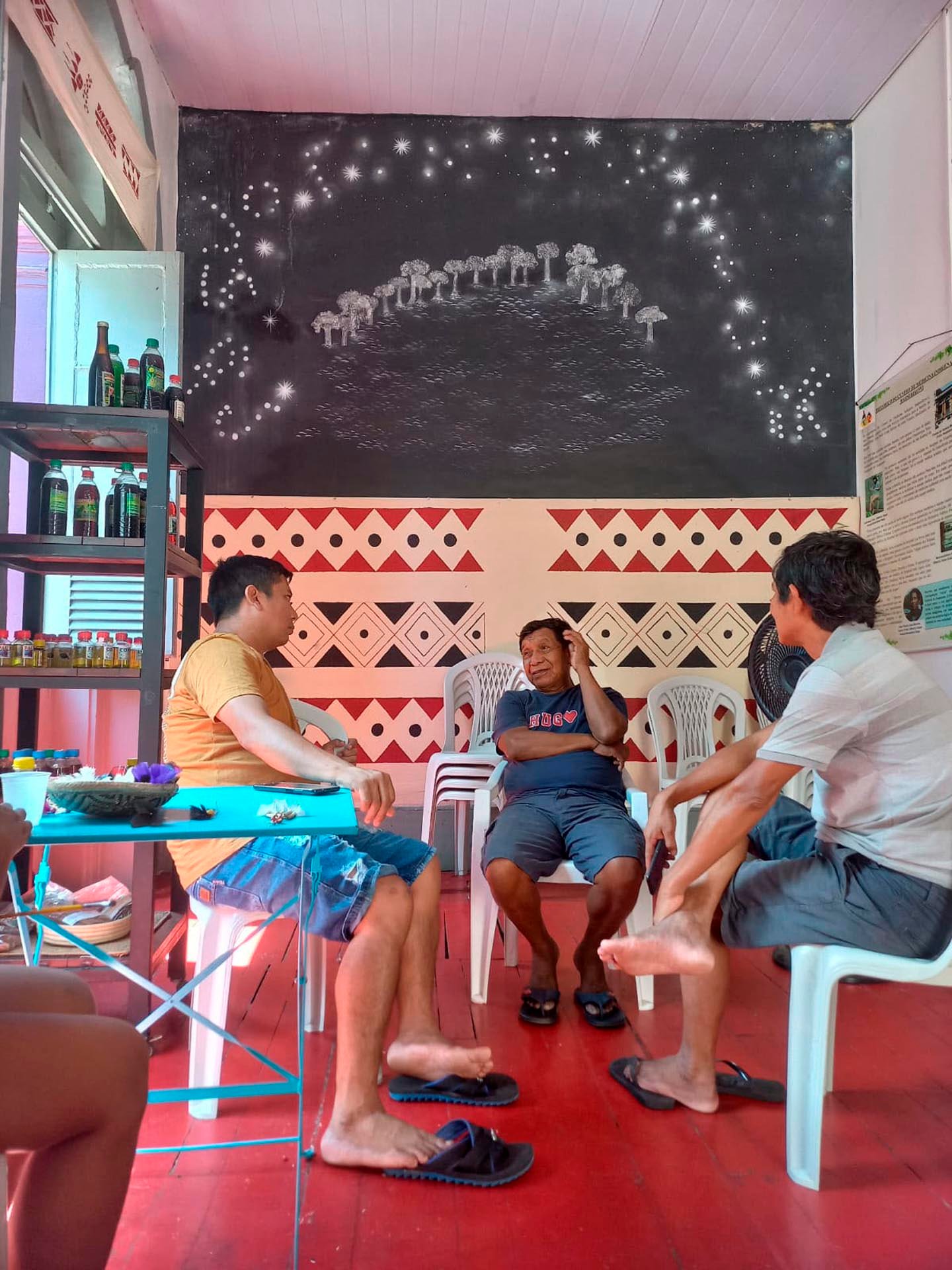
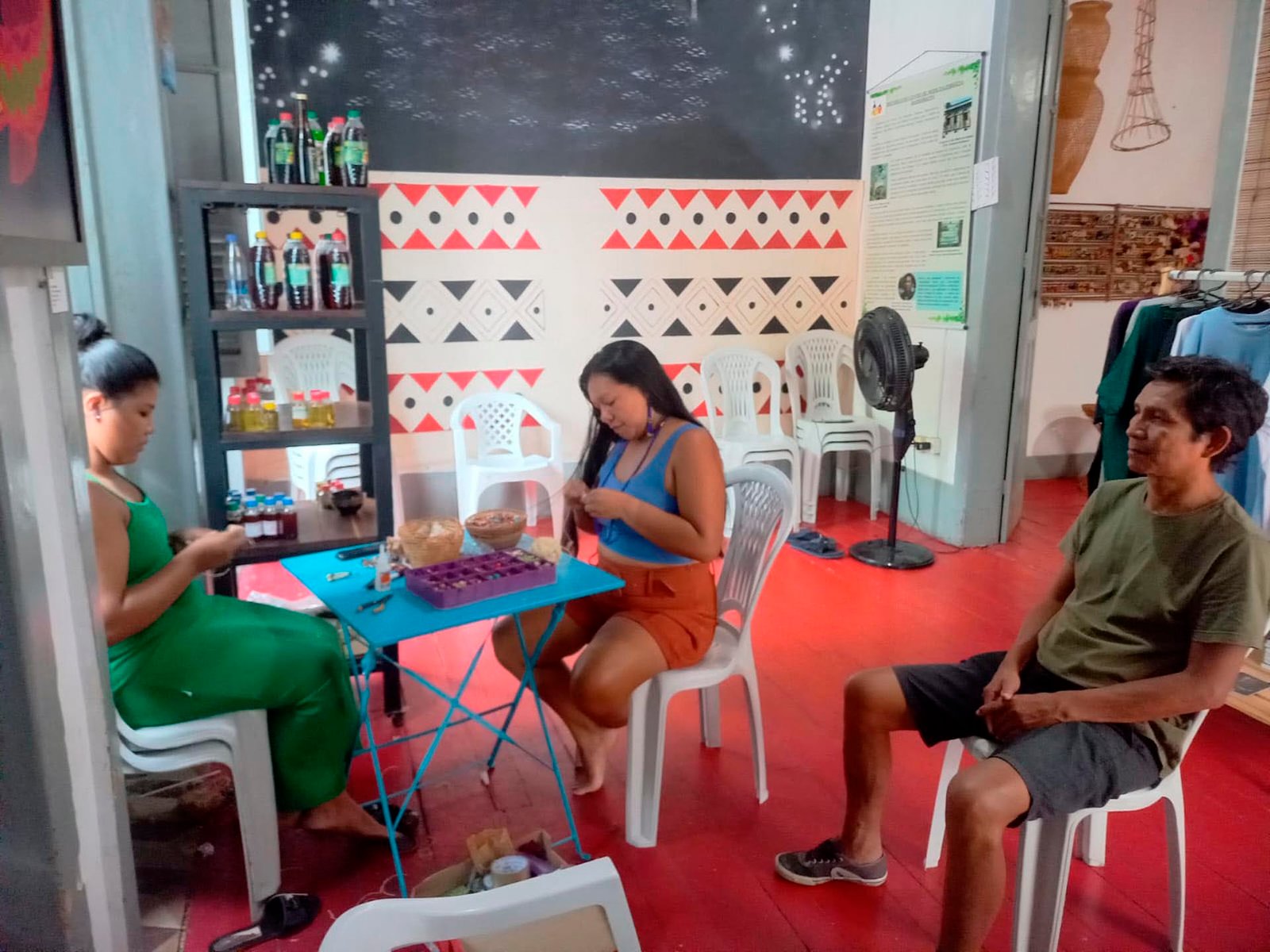
The Bahserikowi Indigenous Medicine Center is located in the center of the city of Manaus, the capital of the state of Amazonas. Its foundation in this city was a strategic choice to impact universities and public institutions and promote a change in public opinion about Indigenous medicine. Currently working at Bahserikowi are Carla Wisu, João Paulo Tukano, kumu Doe, Ivan Tukano, Pedro Tukano, Durvalino Kisibi, Janine Fontes and kumu Álvaro Maia Castilho.
The kumuã specialists who work at the Bahserikowi Indigenous Medicine Center come from the Yepamahsã (Tukano), Utãpirõ-porã (Tuyuka) and Umukori-mahsã (Desana) Indigenous communities of the Upper Tiquié River, a tributary of the Uaupés River, Upper Rio Negro.
The service is open to the general public, both Indigenous and non-Indigenous. The kumu is available to assist people and care for them with bahsese and medicinal plants.
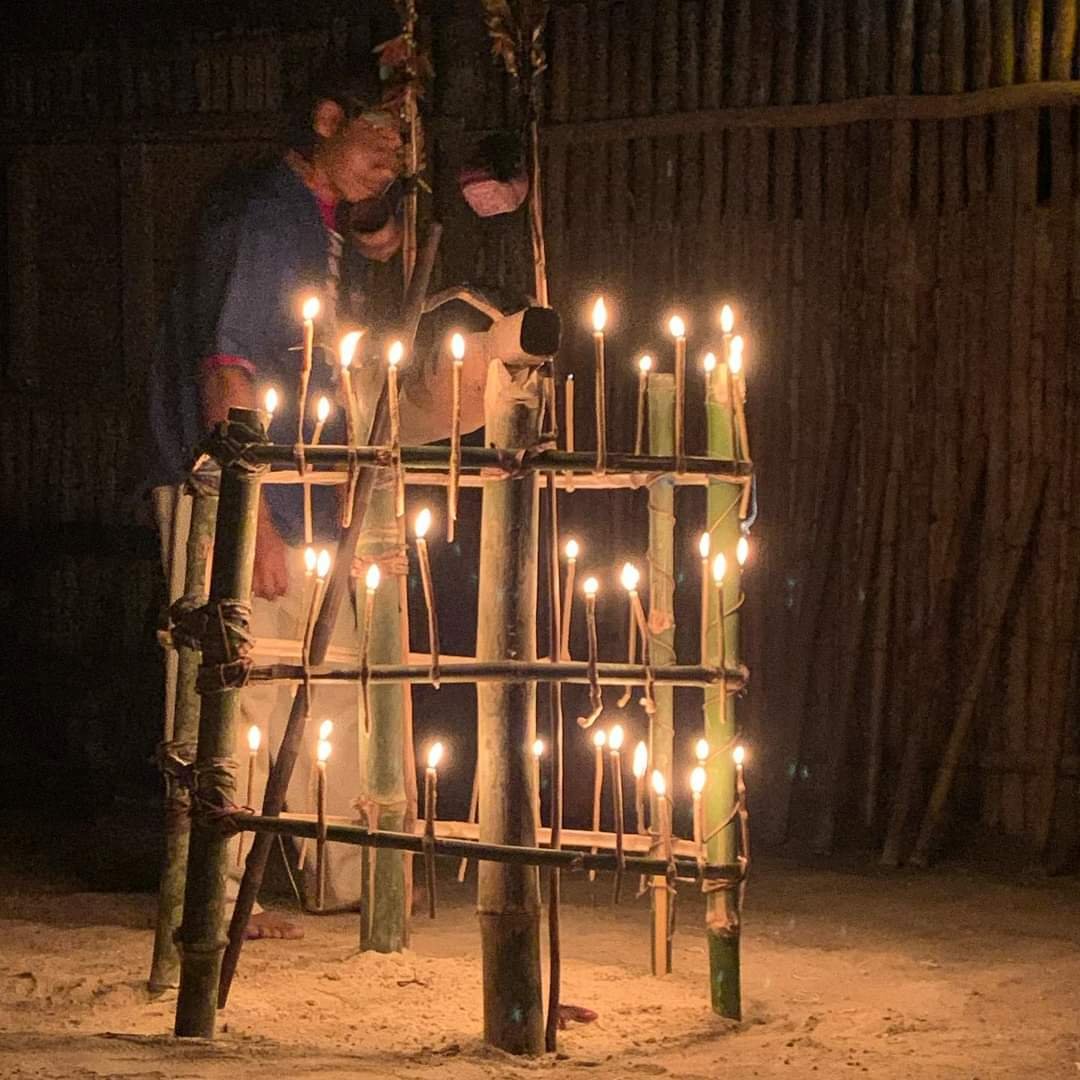
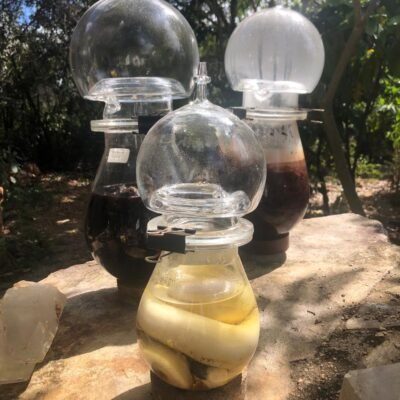
The health care and healing technologies used at the Bahserikowi Indigenous Medicine Center are basically bahsese (better known as blessings) and medicinal plants.
Bahsese are metachemical and metaphysical formulas evoked by specialists for protection, treatment and healing. In other words, bahsese is the power and ability of specialists (kumuã) to evoke the healing substances of plants, minerals and animals.
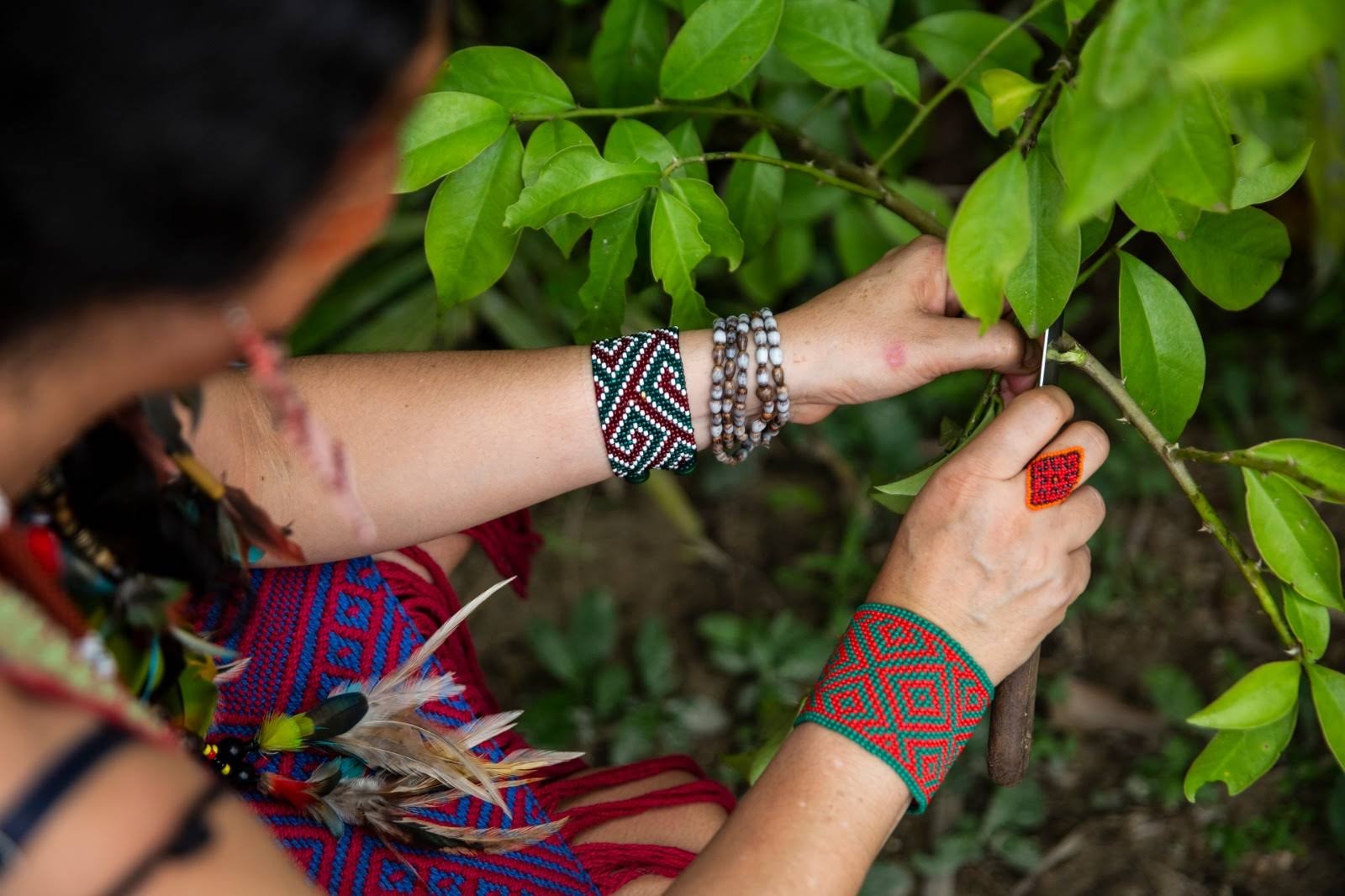
Indigenous peoples have always used medicinal plants. The forest holds all kinds of remedies. In the house, there are also natural remedies for sale. There are teas, ointments, honey, copaiba, andiroba, white pitch for smoking, bark, roots, leaves and dried medicinal flowers.
The Bahserikowi Indigenous Medicine Centre works with various institutions, such as the Pan-American Health Organization, the Secretariat for Indigenous Health (SESAI) and the Oswaldo Cruz Foundation (Fiocruz), hosting working groups and jointly drawing up Indigenous health programs. In addition, the center frequently hosts academic classes from the Federal University of Amazonas, mainly in the area of health, establishing a dialogue with the institution's researchers.
“I couldn't think of a better word than ‘bahsese’ to define my Üremiri-sararo-yupuri-buberãporã group. Bahsese, better known as blessing, is my group's specialty. It is the indispensable, most important knowledge for human life. In other words, it is a technology of health care and healing, as well as being a technology of person-building, communication and cosmopolitical relations. So I come from a family of specialists like Yaiwa and Kumuã. And we are currently the founders of the first Bahserikowi Indigenous Medicine Center in Amazonas. We are also a reference center for other Indigenous peoples, so that they can look up to us and create their own spaces for health care and healing.”
João Paulo Lima Barreto
MONTHLY SUPPORT:
Covers the costs of maintaining the Medical Center, guarantees the resources for the Kumuã to live in Manaus and contributes to travel between the village in the Rio Negro basin and the city of Manaus.
NEXT STEPS:
Articulate partnerships and exchanges.
To help set up a House of Essence.
To help Bahserikowi's activities return to the villages.

COORDINATORS
Carla Wisu is a member of the Dessano Indigenous people, born in the community of Cucura Manaus, in the Indigenous Territory of the Upper Rio Negro. She is the administrator of the Bahserikowi Indigenous Medicine Center, our Tukano-Desana-Tuyuka Living School, and a master's student in Social Anthropology at the Federal University of Amazonas (PPGAS/UFAM).
João Paulo Tukano is an Indigenous anthropologist from the Yepamahsã (Tukano) people, born in the São Domingos village, in the Alto Rio Negro Indigenous Land, in São Gabriel da Cachoeira (AM). He was the first Indigenous person to defend his doctorate in Anthropology at the Federal University of Amazonas and is currently a professor at UFAM. He has worked in primary and higher education, as well as in Indigenous organizations in Amazonas, and is a researcher at the Nucleus of Indigenous Amazonian Studies (NEAI). He was the creator and co-founder of the Center for Indigenous Medicine of the Amazon, a clinic created in 2017 specifically to serve the people.
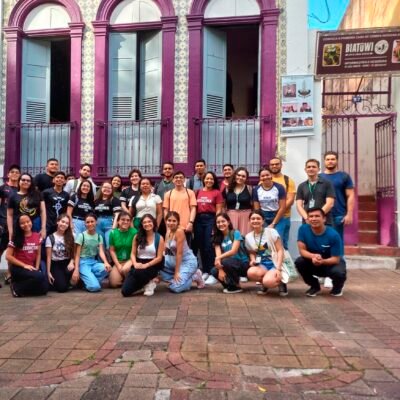


Living School House residency
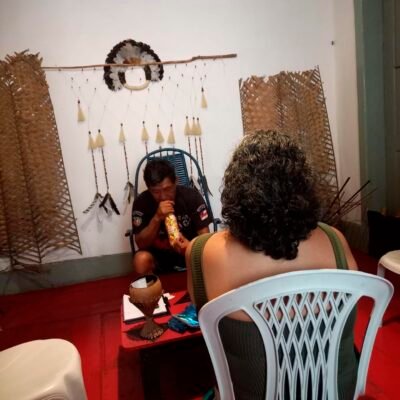
No mês de outubro de 2025, a residência artística indígena Casa Escola Viva convida 10 artistas, 2 de cada uma das Living Schools movement, and the Living Schools coordinators, to create, reflect, and share experiences, over the course of 15 days, about their artistic and collective practices at the Bloco Escola [School Block] in the Museum of Modern Art of Rio de Janeiro (MAM Rio).
Learn more the speech.

Long Live the Living School exhibition
Between 2 December 2023 and 28 January 2024, Selvagem - cycle of studies about life celebrated the Living Schools with a major exhibition of arts and medicines at the Casa França-Brasil in the centre of Rio de Janeiro.
There were more than 100 works in the exhibition, which welcomed 20,000 visitors and unfolded into conversation circles, guided tours, study cycles and new projects with the Living Schools.
Find out more on the Long Live the Living School, or read the exhibition catalogue below.